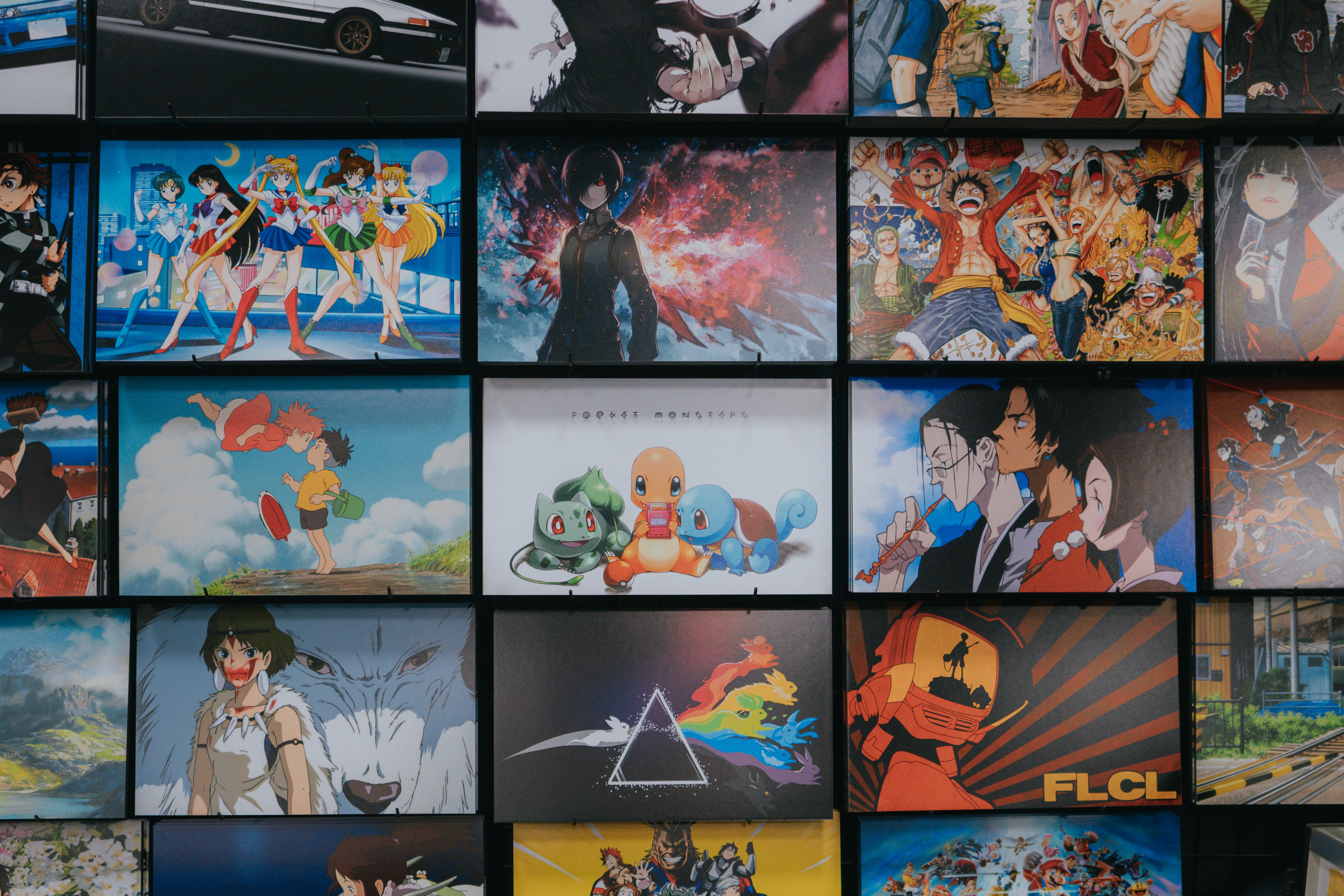
Introduction to Fantasy in Anime
Fantasy in anime serves as a powerful medium to transport viewers into extraordinary realms filled with imagination and wonder. Within this genre, creators are afforded the liberty to construct intricate worlds that can defy the laws of reality, enticing audiences to explore the unexplored. Each anime world is a testament to the developers’ creativity, showcasing varied themes, cultures, and adventures while inviting the audience to suspend disbelief and immerse themselves in extraordinary narratives.
World-building stands as a foundational pillar of fantasy anime, as it lays the groundwork for captivating storytelling. A well-designed universe not only en-riches the narrative but also enhances character development. By carefully sculpting the environments in which their characters reside, anime makers can influence protagonists’ motivations, conflicts, and growth trajectories. This depth provides viewers with a nuanced understanding of characters’ decisions and interactions, ultimately contributing to a more enriching viewing experience.
Moreover, the information embedded within these fictional settings often reflects real-world societal norms, psychological struggles, and emotional journeys, resonating with the audience on multiple levels. Through the lens of fantasy, anime can explore profound themes such as friendship, courage, and sacrifice while engaging viewers with relatable experiences. Such relatability is paramount, as it fosters a deeper connection between viewer and character, allowing for empathetic engagement with their respective journeys.
The intricate landscapes, magical abilities, and enchanting creatures found in fantasy anime capture the imagination and evoke wonder. As we delve deeper into the realm of anime, it becomes evident that these captivating worlds not only serve as a backdrop for thrilling plots but also as a reflective space for audiences to examine their realities. Ultimately, the art of world-building is what elevates fantasy anime from mere entertainment to a compelling exploration of the human experience.
Criteria for Selection
The evaluation of fantasy worlds in anime is a complex process that hinges on various criteria, ensuring that only the most captivating and immersive realms are selected. The first criterion is creativity, which entails the uniqueness and originality of the world presented. This includes not only the innovative settings but also the novel concepts that set these worlds apart from others. A world that showcases a fresh perspective or inventiveness in its design is likely to leave a lasting impression on viewers.
Another essential factor is the depth of lore. The best fantasy worlds possess intricate histories, myths, and diverse characters that contribute to a rich tapestry of storytelling. A well-crafted lore allows the audience to engage more deeply with the world, making it feel alive and inviting exploration. This depth often enhances viewer investment, as fans become eager to learn more about the underlying stories that shape the narrative.
Visual aesthetics also play a crucial role in selection. The artistic style, color palettes, and overall design must enhance the experience of the fantasy world. An aesthetically pleasing environment can evoke emotions that connect viewers to the narrative and heighten immersion in the plot. This visual appeal must be complemented by an artistic consistency that reinforces the thematic elements of the series.
Cultural influences are a vital consideration, as many anime draw inspiration from real-world cultures and histories. A world that thoughtfully integrates cultural elements can resonate with a broader audience while ensuring authenticity. Finally, the extent to which a constructed world supports the narrative is pivotal. Ideally, the world’s design and lore should propel the storyline, giving characters a backdrop that enhances their journeys and conflicts. Evaluating these criteria thoughtfully allows for a comprehensive selection of the finest fantasy worlds in anime.
The World of ‘Made in Abyss’
‘Made in Abyss’ presents audiences with a hauntingly beautiful yet starkly dangerous world that entices explorers and adventurers alike. Central to this universe is the Abyss, a colossal chasm that extends deep into the earth, featuring numerous tiers, each presenting unique challenges, flora, and fauna. The deeper one descends into the Abyss, the more perilous and bizarre the environment becomes. The layers range from the relatively serene “Great Tree” at the surface to the treacherous “Forth Layer” and beyond, where the unknown complexities of the Abyss begin to unravel.
The Abyss is not just a physical entity; it symbolizes existential themes such as the quest for knowledge, the innocence of childhood, and the juxtaposition between beauty and despair. Each tier reveals spectacular sights, yet carries profound dangers that test the very essence of the characters venturing into its depths. Alongside vivid landscapes that capture the imagination, the world is teeming with strange and fantastic creatures. From benign critters that offer guiding light to monstrous beings that pose tremendous threats, each inhabitant ultimately adds to the lore and mystery of the Abyss.
The emotional backdrop of ‘Made in Abyss’ amplifies its narrative depth, as the characters grapple with their motivations for descending into the unknown. Themes of loss, longing, and sacrifice ripple through the storyline, with each descent reinforcing the existential burdens the characters bear. Their journeys reflect a mix of childhood innocence and harsh realities, prompting viewers to question the cost of discovery and the price of ambition. Ultimately, the world of ‘Made in Abyss’ serves as a masterpiece of imagination, compelling audiences to ponder the intricate relationship between exploration and the human experience.
The Realm of ‘Spirited Away’
‘Spirited Away’, directed by Hayao Miyazaki, is a seminal work of fantasy that transports viewers to a whimsical and surreal world filled with enchanting landscapes and a plethora of fantastical beings. The film unfolds in an ethereal spirit realm, characterized by its vibrant colors and meticulously crafted details that draw audiences into a realm of imagination. From the enchanting bathhouse, which serves as a microcosm of societal structures, to the lush, mystical forest, every visual element is imbued with cultural significance.
The fantastical inhabitants of this world—spirits, gods, and anthropomorphic animals—embody numerous elements of Japanese folklore. For instance, the character No-Face serves as a representation of loneliness and desire, while Chihiro’s transformation throughout her journey mirrors the struggles of growing up and self-discovery. Each encounter she has is laden with symbolism, revealing layers of complexity that elevate the viewing experience to one of profound emotional resonance.
Moreover, the film brilliantly juxtaposes the mundane with the extraordinary, allowing for a rich exploration of themes such as identity, consumerism, and the transition from childhood to adulthood. As Chihiro navigates through the trials of the spirit world, she is stripped of her name—a powerful motif in many cultures representing identity. Her journey is not just a physical one; it delves deep into the psychological transformation that comes with courage and resilience.
‘Spirited Away’ is not merely an adventure; it is a significant masterpiece within the fantasy anime genre that reflects cultural narratives and personal growth. Through its whimsical yet thought-provoking depiction of the spirit realm, the film invites audiences to contemplate their own experiences of change and maturity, making it a timeless piece of cinematic art.
The Land of ‘Sword Art Online’
‘Sword Art Online’ (SAO) presents a nuanced exploration of virtual worlds that serve as both captivating backdrops and critical elements of its narrative. These worlds, primarily Aincrad and Alfheim, are intricately designed with rich RPG mechanics that significantly shape the characters’ experiences and interactions. Aincrad, the original setting, is a towering castle comprised of 100 floors, each embedded with unique environments, monsters, and challenges. This diverse landscape enables players to embark on thrilling quests, which are integral to their growth within the game. The depiction of Aincrad reflects the standard immersion found in MMORPGs, where players can lose themselves within a crafted reality.
Alfheim Online introduces a different aspect of virtual worlds by incorporating flying mechanics that enhance player mobility and exploration. This setting is inspired by fairy tales, featuring diverse races such as elves and sprite-like beings. The aesthetic and the lore of Alfheim not only enrich the world-building but also provide a platform for examining themes such as freedom and entrapment. The liberty to fly symbolizes a form of escapism that contrasts sharply with the gripping narratives surrounding players’ struggles for survival. This shift in setting enhances the plot and develops the characters’ growth, particularly Asuna and Kirito, as they navigate their relationship amidst complex digital landscapes.
Moreover, the technology implications within ‘Sword Art Online’ prompt crucial conversations surrounding human interaction and existential questions. The allure of these virtual spaces often blinds players to the realities of their physical lives, leading to a poignant commentary on the potential consequences of technology. As players form bonds in a world where emotional attachment becomes prevalent despite the artificiality, the series prompts viewers to contemplate the nature of relationships formed in a virtual environment. By weaving together these intricate worlds and addressing deeper themes, ‘Sword Art Online’ emerges as a masterful representation of the expansive narratives made possible through anime, highlighting not only the excitement of adventure but also the profound impact of escapism through technology.
The Kingdom of ‘No Game No Life’
‘No Game No Life’ is an anime that immerses viewers in a colorful, imaginative world dominated by games and strategic interactions. This universe is not just a backdrop for the series but an essential component that shapes the narrative. Upon entering this kingdom, the protagonists, Sora and Shiro, encounter a plethora of unique races, each with its own distinct culture and abilities. From the animal-like Flügel to the cute yet cunning spirits, the diversity among these entities contributes to a rich tapestry of interactions and conflicts that propel the storyline forward.
At the heart of this kingdom lies the fundamental principle that all disputes are resolved through games, eliminating the need for violence. This unique mechanic transforms every encounter into a battle of wits and strategy, where intelligence reigns supreme. For example, the tension between races, such as humans and the demonic inhabitants, is amplified by the stakes of these games, leading to intricate plots and clever negotiations. The mechanics governing the games are often complex, requiring not only knowledge and skill but also an in-depth understanding of the various factions and their motivations.
Sora and Shiro exemplify the power of intelligence and strategy, as their exceptional gaming prowess enables them to navigate this world effectively. The duo’s journey is not just a quest for dominance; it highlights themes of collaboration and intellectual prowess against the backdrop of a vibrant, game-centric society. Each victory provides them with not only progress but also unique insights into the cultures and histories of the various races they encounter. This interplay of culture and competition creates a captivating narrative that keeps the audience engaged, making ‘No Game No Life’ a remarkable example of world-building in fantasy anime.
The Universe of ‘Attack on Titan’
The world of ‘Attack on Titan’ presents a stark, immersive experience characterized by the ever-present threat of Titans, colossal humanoid creatures that pose a grave danger to humanity. This universe is divided into three primary territories, enclosed by massive walls designed to protect the remnants of humanity from these predatory beings. The citizens within these walls grapple with an existence marked by oppression and fear, creating a palpable tension that defines their struggle for safety and autonomy.
Humanity’s plight is further complicated by the complex historical context that shapes their reality. The narrative intricately weaves the rich history of wars, betrayals, and the evolution of the Titan threat into the characters’ motivations and dilemmas. Key figures such as Eren Yeager, Mikasa Ackerman, and Armin Arlert wrestle with profound questions of identity, freedom, and moral compromise, representing the struggles faced by a society on the brink of collapse. The exploration of these themes extends beyond individual characters, reflecting broader societal issues such as authoritarianism, discrimination, and the human longing for liberation.
As the story unfolds, characters are confronted with the gruesomeness of survival against the relentless Titans, forcing them to make difficult choices that often blur the lines between right and wrong. The journey of these protagonists is not merely physical; it is deeply psychological, as they face inner demons stemming from trauma and loss. ‘Attack on Titan’ effectively portrays a world where the fight for freedom is fraught with sacrifice, making it a compelling subject for analysis. Themes of survival emerge prominently, illustrating the human spirit’s resilience when beset by seemingly insurmountable odds, thus captivating viewers with its depth and intensity.
The Enchanted Land of ‘Fate/Stay Night’
‘Fate/Stay Night’ invites viewers into a richly textured landscape where myth, history, and magic coalesce to create an enthralling narrative. This anime, rooted deeply in the visual novel created by Type-Moon, revolves around the enigmatic Holy Grail War, a battle that draws participants from various legends and timelines. Central to this conflict are the Servants, heroic spirits summoned from the annals of history, who serve their Masters in pursuit of the coveted Holy Grail—an artifact said to grant its wielder any wish. Each Servant embodies unique traits and abilities, reflecting their legendary origins, which range from pivotal historical figures to figures from mythologies worldwide.
The blend of historical figures with magical elements not only enriches the storytelling but also invites a complex examination of morality, power, and sacrifice. As the narrative unfolds, rival factions emerge, each with motivations that are steeped in their respective histories. The intricate dynamics among these factions create a multi-layered plot that keeps viewers engaged, exploring themes of heroism and the consequences of one’s desires. The unique blend of modernity with classic folklore presents a setting where characters grapple with their fates while navigating their complicated relationships and alliances.
Moreover, the extensive lore surrounding ‘Fate/Stay Night’ augments its fantasy world, introducing elements such as the Mage’s Association—a secret organization that governs the use of magic—and the complex backstory of the Holy Grail itself. This well-crafted mythology allows for an immersive experience, drawing audiences into a world where every battle and decision could alter the course of history. The delicate balance between the fantastical elements and the profound ethical dilemmas faced by the characters adds depth, making ‘Fate/Stay Night’ not just a visual spectacle but a thought-provoking exploration of humanity’s desires and struggles within the frame of fantasy.
The Magical World of ‘Little Witch Academia’
‘Little Witch Academia’ is an enchanting anime series that immerses viewers in a vibrant world where magic thrives in an academy setting. The narrative revolves around a young girl named Atsuko Kagari, who aspires to become a powerful witch. Her journey unfolds at Luna Nova Magical Academy, a prestigious institution for future witches. This school is not just an educational facility; it is a symbol of friendship and aspirations, creating a welcoming environment that encourages creativity and personal growth.
The academy is filled with whimsical architecture, lush landscapes, and an array of fantastical creatures. From magical creatures that assist the witches to various spellbinding classes, the world is brimming with imaginative elements that capture the essence of a magical education. The characters are surrounded by a plethora of spells, potions, and innovative magic that constantly challenges their abilities. Each episode showcases various aspects of this magical endeavor, reinforcing the idea that mastery comes through practice and perseverance.
The overall tone of ‘Little Witch Academia’ is uplifting and optimistic, presenting a narrative that celebrates the journey of growth and achievement. As Atsuko and her friends navigate the challenges of their magical education, they experience setbacks, triumphs, and personal growth. This environment fosters a sense of community, where collaboration and mutual support among students lead to remarkable results. The series inspires viewers to embrace creativity and strive for their objectives, mirroring the experiences of many in their own lives.
In conclusion, ‘Little Witch Academia’ beautifully illustrates a magical world that not only captivates the imagination but also encourages the pursuit of dreams through collaboration and hard work. The blend of endearing characters, enchanting spells, and a supportive environment contributes to its status as a quintessential exploration of fantasy in anime.
Conclusion: The Impact of Fantasy Worlds in Anime
Fantasy worlds in anime serve as intricate backdrops that enrich storytelling, allowing creators to explore complex themes while providing escapism for viewers. The imaginative settings transport audiences to realms filled with allegories of reality, enabling a uniquely engaging narrative experience. This connection often leads to profound emotional responses, establishing a strong affinity between the audience and the characters who navigate these extraordinary landscapes.
Moreover, the diversity of these fantasy worlds addresses a variety of human experiences and emotional journeys. From the enchanting realms of magic to dystopian landscapes reflecting societal issues, each world encourages viewers to reflect on their own lives. This reflection is what makes anime a medium of exploration rather than just entertainment; it pushes the boundaries of understanding and challenges preconceived notions. By placing characters in heightened circumstances, anime effectively magnifies themes of friendship, sacrifice, and the quest for identity, all framed within these fantastical environments.
As audiences engage with these masterpieces of imagination, they often find solace in the escapism provided by these worlds. The ability to immerse oneself in another realm can be therapeutic, offering a temporary reprieve from the pressures of everyday life. This aspect of fantasy genres possesses significant importance, particularly in a world where audiences crave connection and understanding through shared narratives.
In conclusion, the significance of fantasy worlds in anime is profound. Not only do they enhance storytelling, but they also foster emotional connections and provide an escape that resonates with viewers across various demographics. By embracing the complexities of the human experience through the lens of fantastical settings, anime emerges as a powerful artistic medium that continues to captivate and inspire its audience.