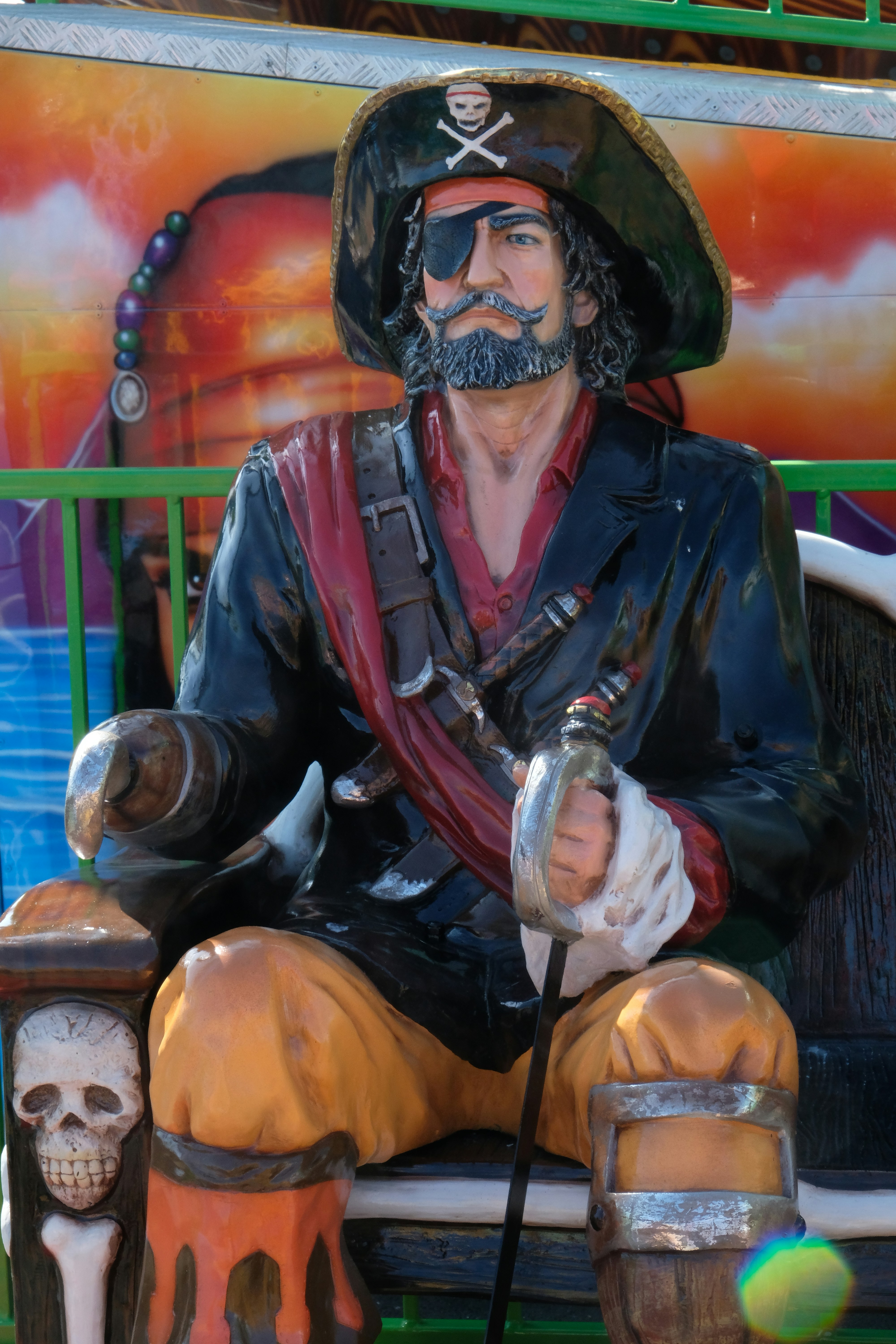
Introduction to Pirates
The concept of piracy has captivated the imagination of people across the globe for centuries. Often associated with adventure and treasure, the allure surrounding pirates has led to a plethora of tales, myths, and legends that continue to flourish in popular culture. From the infamous Blackbeard to the fictional Jack Sparrow portrayed in Hollywood films, the image of the pirate has evolved into a romanticized figure that embodies freedom and rebellion on the high seas. However, it is essential to understand that the true nature of piracy is far more complex than its glossy portrayal in contemporary media.
Historically, piracy emerged as a response to the economic conditions of various eras, fueled by political strife and the pursuit of wealth. During the Golden Age of Piracy, spanning the late 17th to early 18th centuries, the Caribbean became a hotspot for pirate activity. This period showcased a diverse group of individuals, including former sailors and privateers who turned to a life of crime and rebellion. These real pirates of the Caribbean often operated under their own codes of conduct, forming communities of outlaws bound by the shared goal of plundering merchant ships.
Despite their notorious reputation, understanding the socio-economic circumstances that led individuals to become pirates sheds light on the factors driving their actions. The portrayal of pirates in films often overlooks the harsh realities they faced and the impacting circumstances surrounding their existence. The romanticized view encapsulated by Hollywood can distort perceptions, leading to common misconceptions about piracy and the lives of those who engaged in it during historic times.
Thus, delving deeper into the history of piracy allows for a clearer understanding of the real pirates of the Caribbean, unmasks the myths, and uncovers the authentic stories of these fascinating individuals who navigated the perilous waters of the 17th and 18th centuries.
The Golden Age of Piracy
The Golden Age of Piracy, spanning the late 17th century to the early 18th century, represents a pivotal era in maritime history, particularly in the Caribbean. This period is characterized by a surge in pirate activity, driven by various economic and political factors that converged to create a fertile environment for piracy. The Caribbean Sea became the epicenter of this phenomenon, drawing attention from both aspiring pirates and colonial powers alike.
Several factors contributed to the rise of piracy during this time. The decline of European naval power following major wars created a vacuum, allowing privateers, many of whom were former sailors, to turn to piracy. The lucrative trade routes in the Caribbean, which were essential for transporting valuable goods such as sugar, rum, and precious metals, provided ample opportunity for daring attacks by pirates. The wealth that flowed through these waters attracted notorious figures, who would become notable pirates of the Caribbean.
Political circumstances also played an essential role in the flourishing of piracy. The constant territorial conflicts among European nations, particularly Spain, France, and England, opened the door for privateers to operate with relative impunity. The legality of privateering, which was granted by letters of marque, blurred the lines between legitimate privateering and outright piracy, making it difficult to differentiate the two occupations. Furthermore, the lack of a strong naval presence allowed these marauding figures to exploit the weaknesses of colonial governments longer than they might have in other regions.
As a result, the Caribbean became home to a diverse array of pirates, each contributing to the lore and legacy of the era. The Golden Age of Piracy not only defined a significant chapter in maritime history but also continues to captivate the imagination, influencing popular culture representations of pirates in media today. In conclusion, understanding this era provides valuable insight into the socio-economic landscape that facilitated the rise of the real pirates of the Caribbean.
Famous Pirates of the Caribbean
The Caribbean during the Golden Age of Piracy was home to a multitude of infamous pirates, whose adventures and notoriety have inspired tales and legends for generations. Among them, Edward Teach, better known as Blackbeard, stands out as a quintessential figure. Arriving in the Caribbean in the early 18th century, Blackbeard was notorious for his fearsome appearance, often adorned with slow-burning fuses in his beard that gave him a terrifying visage. His flagship, the Queen Anne’s Revenge, was a formidable vessel that contributed to his fearsome reputation. Blackbeard’s life was marked by acts of audacity, including the blockade of Charleston harbor and the notorious raid on various merchant ships, and ultimately led to his death in a fierce battle against British naval forces in 1718.
Another significant figure in the pantheon of Caribbean pirates is Bartholomew Roberts, often referred to as Black Bart. Active from 1719 to 1722, he captured over 400 ships during his brief yet impactful career, making him one of the most successful pirates of his time. Roberts was known for his code of conduct among pirates, which demanded certain principles of behavior. His audacious raids extended from the Caribbean to the coast of Brazil, proving his adaptability and skill as a navigator and strategist. Roberts’ legacy is marked by his daring exploits and the influence he had on piracy as an enterprise.
William Kidd, commonly known as Captain Kidd, presents another intriguing figure within this landscape. Initially commissioned as a privateer to combat piracy, Kidd’s transition into piracy himself led to controversy and notoriety. His voyages in the late 17th century saw him capture and plunder vessels across the Indian Ocean and the West Indies. The legacy of Kidd lies not only in his exploits but also in his trial and execution, which fueled public fascination with piracy and contributed to the mythology surrounding pirates of that era. These three notorious pirates, among others, leave an indelible mark on maritime history, shedding light on the realities of piracy in the Caribbean and the men who shaped its reputation.
Pirate Myths vs. Reality
The image of pirates, often romanticized in popular culture, is steeped in numerous myths that require examination to distinguish fact from fiction. Many people envision pirates as noble outlaws driven by a sense of adventure and freedom; however, historical accounts reveal a far more complex and often brutal reality. The concept of the “pirate code,” a supposed set of rules governing pirate behavior, is one such myth. While it is true that some pirate crews did establish agreements for governance and conduct, these codes varied significantly and were not universally adhered to. They often served to benefit the crew rather than embody a strict moral compass.
Another widespread misconception is that treasure maps, with their “X marks the spot,” were a regular feature of pirate life. While some pirates did amass considerable loot, it is more common that treasure was either spent as quickly as it was acquired or hidden with no real map ever drawn. The tales of buried treasure have likely arisen from storytelling and the allure of adventure, rather than historical accuracy.
Furthermore, the depiction of pirates as charming rogues is misleading. Many pirates operated under severe conditions and committed violent acts, often brutally raiding ships and coastal towns. Their actions were driven by economic necessity rather than any romantic ideal of freedom. Popular narratives have often glossed over the harsher realities of life on the high seas, including conflicts within crews and the constant threat of violence. The real pirates of the Caribbean were not just the adventurous figures of folklore but also complex individuals who participated in a ruthless lifestyle shaped by desperation and survival.
In conclusion, while the mythos surrounding pirates is captivating, a deeper understanding reveals the contrasting truths of their existence. Recognizing the divergence between myth and reality allows for a more nuanced perspective on these historical figures, shedding light on their actual practices and behaviors.
The Life of a Pirate
The life of a pirate during the so-called Golden Age of Piracy was a unique blend of adventure, hardship, and social dynamics that set it apart from conventional maritime life. Crews frequently lived aboard ships that were often cramped and ill-maintained, leading to challenging living conditions. Pirates would typically sail in small, heavily armed vessels, and as such, space was at a premium. Most pirates shared sleeping quarters, hammocks slung in close proximity, which created a communal living environment devoid of privacy.
Pirate crews operated under a semi-democratic system, marking a stark contrast to the hierarchical structures of naval ships. Leadership on pirate ships was generally based on skill and experience rather than social status. The captain was elected by crew members and could be replaced if he failed to maintain morale or demonstrate effective leadership. This instilled a sense of camaraderie among the pirates and allowed them more say in the ship’s operations. Moreover, pirates operated under a code that outlined rules and consequences for various infractions, promoting a rough yet structured discipline aboard the ship.
The diet of a pirate consisted mainly of preserved foods that could withstand long voyages, such as salted meats, hardtack, and dried beans. Fresh fruit and vegetables were a luxury, often resulting in nutritional deficiencies such as scurvy. Water was rationed, and pirates commonly turned to rum for refreshment and morale-boosting during long stretches at sea. This beverage became integral to pirate culture, reinforcing the notion of pirates as reckless and hedonistic figures.
Despite their notorious reputation, the lives of pirates were not solely defined by plunder and chaos. Their experiences reflect a complex social structure that allowed for a combination of freedom and responsibility among crew members. In conclusion, the daily lives of pirates were a rich tapestry woven with adventure, governance, and survival, making them a fascinating subject of study in maritime history.
Pirate Havens and Bases
The world of piracy during the Golden Age was not merely characterized by lawlessness at sea; it also involved strategic land-based havens that provided vital support for these mariners. Key locations such as Tortuga and Nassau functioned as essential ports, facilitating pirate activities, trade, and refuge. These places became the heart of pirate governance, enabling crews to rejuvenate, plan their next raids, and even sell their plundered goods freely.
Tortuga, located off the northwest coast of Hispaniola, emerged prominently as a bustling pirate haven in the 17th century. The island was recognized for its rugged geography, providing natural defenses against naval patrols. Here, pirates gathered to repair their ships, recruit new crew members, and engage in a vibrant commerce that included the sale of goods obtained through piracy. The chaotic yet thriving ecosystem of Tortuga encouraged a unique blend of cultures as pirates, privateers, and willing settlers mingled to create a distinctive social fabric.
Nassau, on the other hand, became the Bahamas’ infamous pirate capital during the early 18th century. The island’s strategic location made it a perfect staging ground for pirate raids into the rich Spanish treasure fleet routes. Following the departure of British governance, Nassau transformed into a de facto pirate republic, where renowned figures such as Blackbeard and Charles Vane ruled. The loose governance allowed these outlaws to create their own rules, making Nassau a place where pirates could establish a sense of community and even engage in a form of democratic decision-making regarding their next ventures.
Understanding these pirate havens not only sheds light on the daily lives of the real pirates of the Caribbean but also emphasizes their ability to navigate complex social dynamics and foster commercial networks outside traditional law. These locations represent more than just hideaways; they encapsulate a rich history shaped by daring adventure, trade, and self-governance.
The Code of Piracy
The life of a pirate, often romanticized in popular culture, revolved around a structured set of guidelines commonly referred to as the “Pirate Code.” This unwritten code served as a framework for behavior, ensuring some level of order amidst the chaos of seafaring exploits. Contrary to the chaotic image frequently portrayed in films and literature, these regulations were critical for maintaining harmony among crew members. Each pirate crew often developed its own version of the code, which included rules governing discipline, the division of plunder, and the treatment of captured individuals.
The division of loot was perhaps one of the most significant aspects of the Pirate Code. The treasure seized from merchants and other ships was typically distributed according to established shares. For instance, the captain might receive a larger portion than other crew members, while the rest would be divided based on individual roles and contributions. This system encouraged camaraderie; each member of the crew had a vested interest in the success of their endeavors. By delineating financial compensation, pirates could prevent conflicts that could arise over the spoils of their voyages.
Moreover, the Pirate Code included measures aimed at preserving discipline and ensuring the safety of all crew members. Violations of the code could result in severe penalties, ranging from a fine to more drastic measures such as marooning. Such consequences underscored the importance of unity and cooperation among pirates. The code not only dictated behavior on board but also established a sense of community, fostering loyalty and loyalty played a crucial role in the survival of pirate crews during their perilous adventures. The real pirates of the Caribbean navigated a world governed by their code, balancing freedom with the necessity of governance, and ensuring their survival on the unpredictable seas.
Consequences of Piracy
The activities of pirates in the Caribbean had far-reaching consequences for both the individuals involved in piracy and the regions in which these marauders operated. At its height, piracy represented a significant threat to maritime trade in the Caribbean, prompting colonial powers such as Spain, France, and England to respond with measures aimed at curtailing these rogue activities. One of the most notable responses was the enhancement of naval patrols in key shipping routes. These patrols sought to deter piracy through increased visibility and enforcement of maritime law, often resulting in fierce naval confrontations.
Furthermore, regional governments enacted harsher penalties for those caught participating in pirate activities. This crackdown was aimed not only at pirates themselves but also extended to local communities that may have offered support or refuge to these outlaws. Ultimately, the climate of fear and reprisal created an environment where even small complicity in piratical acts could lead to severe repercussions, thus impacting the socioeconomic structures of coastal towns and colonies.
<pdespite a="" activities="" adventurers="" age="" allure="" also="" and="" anti-heroes="" as="" attract="" be="" both="" but="" by="" can="" colonial="" considered="" continued="" coupled="" culminated="" cultural="" decline="" disappearance="" disenfranchised="" dwindling="" enforcement="" era="" eventual="" for="" fortune="" freedom="" from="" golden="" gradual="" however,="" imagination.
In conclusion, the consequences of piracy were profound, leading to significant changes in maritime governance, naval strategies, and community dynamics in the Caribbean. The interplay between piracy and colonial responses ultimately shaped the economic and social landscapes of the time.
Conclusion: The Legacy of Pirates
The enduring legacy of pirates is deeply woven into the fabric of popular culture, historical narrative, and maritime folklore. The complex lives of these seafaring figures have transformed into myths and legends, contributing to a romanticized image that continues to captivate audiences worldwide. From classic literature to modern cinema, the portrayal of pirates often emphasizes themes of adventure, rebellion, and freedom. Films such as “Pirates of the Caribbean” have not only rekindled interest in the adventures of these sailors but also significantly shaped public perceptions of what it means to be a pirate.
Throughout history, real pirates of the Caribbean were often painted as ruthless marauders; however, they also embodied traits such as cunning and resilience in the face of adversity. This duality adds complexity to their portrayal, prompting discussions around their historical significance. Modern interpretations frequently highlight the socio-economic and political contexts that led to the rise and fall of piracy, thereby framing these figures as both outlaws and opportunists navigating the treacherous waters of international trade.
In addition to literature and film, the legacy of piracy has given rise to vibrant tourism in coastal regions once plagued by these maritime marauders. Museums, historical reenactments, and themed excursions allow visitors to engage with the storied past of piracy, while also offering a sense of adventure. This tourism not only commemorates the historical impact of pirates but also stimulates local economies, intertwining the allure of this bygone era with contemporary culture.
Ultimately, the fascination with pirates persists, serving to enrich our understanding of maritime history and the varied lives of those who sailed the seven seas. The real pirates of the Caribbean, while often overshadowed by their fictional counterparts, continue to be a source of intrigue and inspiration, demonstrating their lasting impact on society and culture.