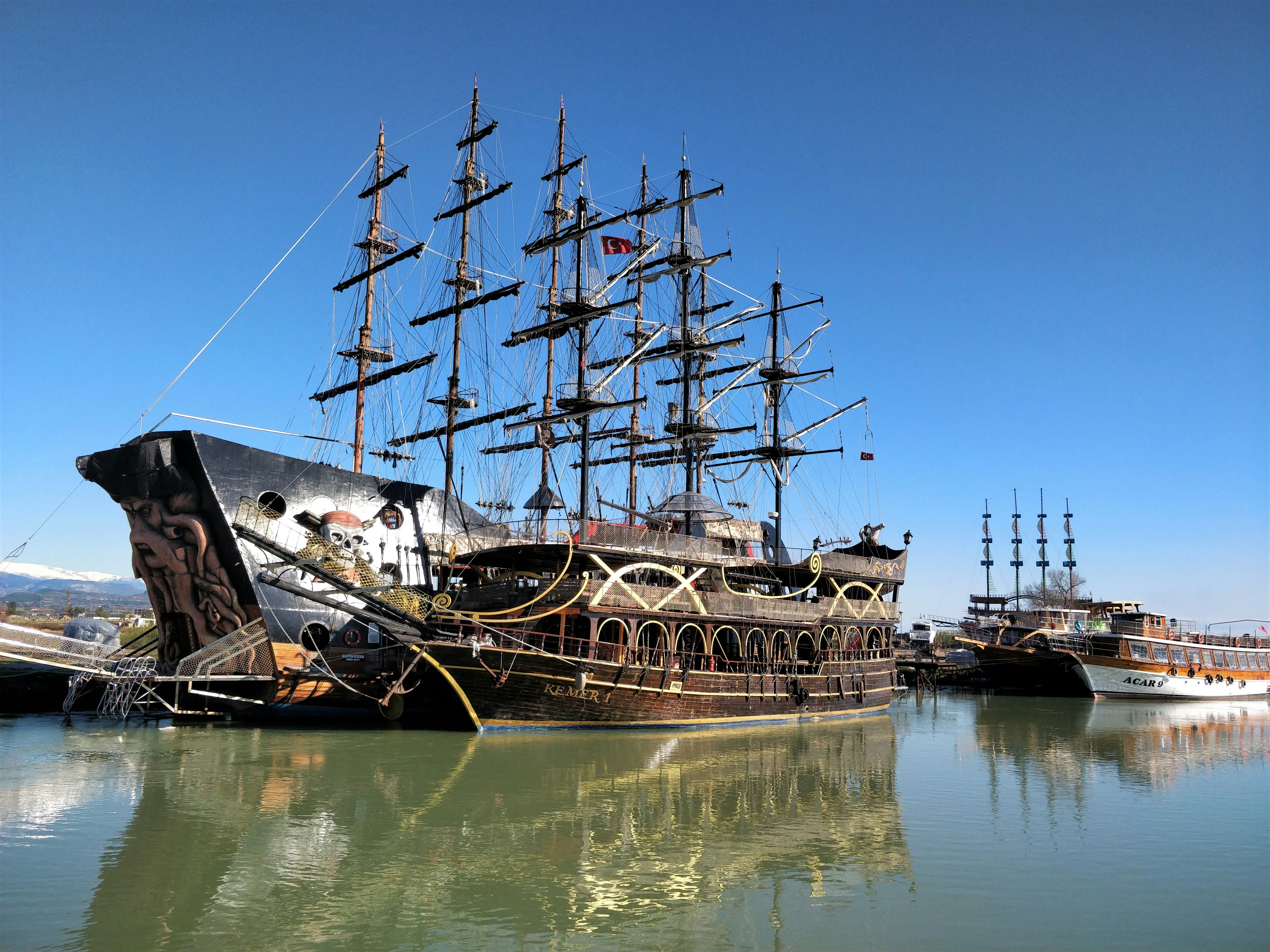
Introduction to Pirate Cinema
The genre of pirate movies has long captivated audiences with its intriguing blend of adventure, action, and mythology. These films often transport viewers to a world filled with swashbuckling heroes, treacherous seas, and the relentless pursuit of hidden treasure. From their origins in early cinema to their present-day iterations, pirate movies have held a significant place in popular culture, appealing to both young and old alike. The allure of piracy, coupled with the excitement of maritime explorations, allows these films to explore themes of freedom and rebellion, drawing on historical narratives that heighten their dramatic appeal.
Throughout cinema history, pirate films have evolved, reflecting changing societal values and cultural contexts. The early portrayals focused on romanticized notions of piracy, emphasizing the adventurous spirit of characters like Captain Hook and Long John Silver. These portrayals have been enriched by a diverse array of cinematic techniques over the decades. Modern pirate films, such as the “Pirates of the Caribbean” franchise, have further propelled the genre into mainstream popularity, blending humor, fantasy, and compelling storytelling while maintaining the core essence of piracy.
Cultural significance is also evident in how these films resonate globally. They not only entertain but also serve as platforms for exploring moral dilemmas and complex character arcs. The visual allure of ocean vistas and ship battles creates a mesmerizing backdrop, while the characters often grapple with personal conflicts that reflect the broader human experience. Ultimately, the enduring popularity of pirate movies demonstrates their ability to captivate and thrill audiences, solidifying their status as a cherished genre within the cinematic landscape. Whether depicting thrilling escapades or profound emotional journeys, they continue to enchant viewers with tales of adventure and sea-faring legend.
Criteria for Ranking
When evaluating the best pirate movies of all time, a comprehensive set of criteria is essential to determine their standing within the genre. First and foremost, box office performance serves as a tangible measure of commercial success, highlighting the films that managed to captivate a large audience. High ticket sales reflect both popularity and cultural resonance, marking certain films as significant contributors to the pirate movie landscape.
Critical acclaim is another vital factor in our assessment. Reviews from film critics and aggregators contribute valuable insights, often shedding light on the artistic merits of the films. Movies that receive accolades or nominations during prestigious awards showcases their overall quality, offering a marker for excellence in aspects such as direction, cinematography, and screenplay.
Influence on the genre cannot be overlooked. Some films have redefined pirate narratives, introducing innovative storytelling techniques or creating iconic characters that have influenced subsequent productions. These landmark films often set the tone for what audiences expect from the genre, making their contribution invaluable. Character development also plays a significant role; films with well-rounded characters resonate more deeply with viewers, leading to lasting impressions and engagement.
Furthermore, innovative storytelling is a key criterion. In an era saturated with formulaic plots, movies that introduce original plots or clever twists stand out among their peers. This creativity adds depth to the viewing experience and distinguishes these films within the extensive array of pirate-themed narratives.
Lastly, viewer enjoyment is a central aspect, as the primary goal of any film is to entertain. Audience reactions, including ratings and feedback on platforms such as Collider, indicate how well these films connect with viewers. By assessing these factors, a well-rounded understanding of the pirate movie genre emerges, allowing us to rank the top ten films effectively.
Number 10: The Pirate Movie
Released in 1982, The Pirate Movie is a musical comedy that blends aspects of classic pirate tales with an engaging and humorous storyline. The film is an adaptation of the highly popular Gilbert and Sullivan operetta, The Pirates of Penzance, and it captures the charm and whimsy of the original work while introducing it to a new audience through film. The narrative follows the character of Frederic, played by Christopher Atkins, who, after being released from his apprenticeship to a band of pirates, embarks on a quest for love while dealing with comical misadventures.
The central characters, including Frederic’s love interest, Mabel, portrayed by Kristy McNichol, provide a strong romantic subplot. Their dynamics, alongside flamboyant pirate figures, contribute to a lively and entertaining atmosphere. The juxtaposition of romance, action, and musical interludes creates an engaging experience that reflects the spirit of pirate movies while adding a modern touch to the genre. The musical elements, especially those drawn from the operetta, are performed with gusto, showcasing memorable songs that align well with the film’s playful tone.
Upon its release, The Pirate Movie garnered mixed reviews from critics but developed a significant following among audiences who appreciated its lighthearted approach to pirate lore. While it may not have achieved the majestic heights of some other entries in the realm of pirate cinema, it undeniably brought a fresh perspective to the category. Its blend of comedy and music, alongside a story characterized by adventure and romance, firmly establishes its place among the best pirate movies ranked in cinematic history. This film remains a cherished piece for those who enjoy a quirky take on the traditional pirate narrative.
Number 9: Treasure Island (1950)
Disney’s 1950 adaptation of Treasure Island is a landmark film in the realm of pirate cinema. Based on Robert Louis Stevenson’s beloved novel, it marked a significant leap in the portrayal of pirates on screen, blending adventure with a sense of affection that resonates even today. This film was notable for being Disney’s first live-action feature, setting a precedent for future adaptations by blending rich storytelling with innovative cinematic techniques.
One of the key elements that contributed to the film’s success was its production design, which effectively transported audiences to the world of swashbuckling adventure. The detailed set pieces and locations showcased the rugged beauty of the Caribbean, while the cast—a mix of seasoned actors and vibrant characters—crafted memorable portrayals that have since become iconic. Robert Newton’s portrayal of Long John Silver stood out as a defining performance, cementing the character as one of the most recognized figures in pirate lore. Newton’s infamous accent and boisterous demeanor would influence countless portrayals of pirates in subsequent films.
The historical context of Treasure Island cannot be overlooked. Released during a time when America was captivated by adventure stories, the film sparked a renewed interest in pirate themes across various media. Its success helped to define the narrative framework for modern pirate movies, incorporating elements of camaraderie, treachery, and moral ambiguity. This combination of engaging storytelling with stylized cinematic techniques ultimately laid the groundwork for future adaptations and inspired filmmakers around the globe.
The influence of Disney’s Treasure Island is evident in many later pirate films, reflecting its timeless appeal and the way it resonated with audiences. Its legacy persists as it remains an essential reference point in any discussion about the best pirate movies ranked, highlighting how this classic film has helped shape the genre as we know it today.
Number 8: Captain Phillips
Released in 2013 and directed by Paul Greengrass, “Captain Phillips” is a contemporary thriller that skillfully intertwines the suspense of a modern pirate hijacking with the age-old themes of piracy. The film recounts the harrowing true story of the Maersk Alabama, an American cargo ship that was overtaken by Somali pirates in 2009. This incident not only captivated public attention but also brought to light the dire realities faced by vessels traversing perilous waters.
The film stars Tom Hanks in the titular role of Captain Richard Phillips, a character who exemplifies resilience in the face of adversity. Hanks’ performance is nuanced, capturing the growing tension and despair as the situation escalates from a harmless confrontation to a dramatic hostage crisis. His portrayal emphasizes the complexities of human emotion caught amidst the chaos of piracy. Additionally, Barkhad Abdi’s performance as Abduwali Muse, the leader of the Somali pirates, adds a compelling depth to the narrative, shedding light on the motivations behind piracy and the desperate circumstances of those involved.
What sets “Captain Phillips” apart from traditional pirate films is its exploration of modern piracy’s socio-economic and political dimensions. Unlike the romanticized versions often portrayed in classic pirate lore, this film offers viewers an unfiltered glimpse into the harsh realities that drive individuals to such extreme actions. The cinematography enhances this connection, vividly illustrating the vastness of the ocean juxtaposed with the intimate setting of the ship’s cabin, immersing audiences in the tension-filled atmosphere of the hijacking.
In conclusion, “Captain Phillips” stands out among the best pirate movies due to its gripping storyline and profound performances, skillfully igniting a dialogue about piracy’s complexities while maintaining echoes of traditional pirate storytelling.
Number 7: Pirates of the Caribbean: The Curse of the Black Pearl
Released in 2003, “Pirates of the Caribbean: The Curse of the Black Pearl” represents a significant turning point in the genre of pirate films. Directed by Gore Verbinski, this movie ingeniously combines supernatural elements with traditional pirate lore, crafting a compelling narrative that resonates with audiences of all ages. At the center of this film is the unforgettable character of Captain Jack Sparrow, portrayed masterfully by Johnny Depp. Sparrow’s eccentric personality and unpredictable behavior quickly established him as an iconic figure in cinema, contributing greatly to the film’s success and securing its place in the pantheon of top-rated pirate movies.
The film follows the adventures of Captain Jack Sparrow as he seeks to reclaim his stolen ship, the Black Pearl. Accompanied by Will Turner, a blacksmith portrayed by Orlando Bloom, and Elizabeth Swann, played by Keira Knightley, the trio embarks on a thrilling quest filled with danger, betrayal, and treasure hunting. One of the notable aspects of this film is its innovative use of CGI, particularly in the portrayal of the cursed pirates, who are rendered as animated skeletons under moonlight. This creative choice enhanced the storytelling by enriching the sense of magical realism, a key factor in its widespread appeal.
<p"the a="" adventure,="" also="" among="" an="" and="" apart="" as="" attractions.="" audiences="" best="" black="" blend="" both="" but="" cinematic="" cornerstone="" culture,="" curse="" deserves="" elements="" entire="" film="" filmmakers.
Number 6: The Goonies
‘The Goonies,’ released in 1985, stands as a seminal piece of adventure cinema, cherished by audiences for its vibrant portrayal of childhood camaraderie and adventure. The film follows a group of young friends from Astoria, Oregon, who set out on a treasure hunt to find the long-lost pirate One-Eyed Willy’s hidden riches. This quest, sparked by the threat of losing their homes to foreclosure, fuses elements of nostalgia with an engaging plot centered on treasure hunting. The authenticity of the friendships depicted among the characters resonates with viewers, creating an emotional depth that enhances its narrative.
The pirate theme in ‘The Goonies’ is prominent not only through the legendary character of One-Eyed Willy but also through the trials the group faces that evoke classic pirate lore. Their adventure features typical pirate motifs, including secret maps, hidden traps, and a constant sense of danger. This combination adds a layer of excitement that captivates the imagination of both young and old, cementing the film’s status as an unforgettable experience. Furthermore, the diverse cast of characters each brings a unique perspective to the adventure, showcasing the importance of teamwork and loyalty.
<pbeyond 'the="" a="" achieved="" action,="" adaptations="" adventure="" also="" and="" appeal="" as="" be="" but="" can="" capture="" cornerstone="" cult="" emotion="" entry="" film="" film's="" films.="" for="" genre="" goonies'="" has="" heavily="" humor,="" ignited="" immediate="" in="" influencing="" inspire="" its="" landscape="" larger="" lasting="" media.="" memorable="" mix="" movies="" narratives="" not="" of="" only="" p="" passion="" pirate="" pirate-themed="" plot,="" reboots="" roster="" seek="" seen="" serves="" spirit.="" status,="" storytelling.
Number 5: Hook
Released in 1991 and directed by Steven Spielberg, Hook presents a unique twist on the classic Peter Pan story, largely focusing on themes of adulthood and nostalgia. The narrative diverges from traditional portrayals of Neverland, centering instead on Peter Banning, played by Robin Williams, who is a grown-up version of Peter Pan himself. This departure sets the stage for a profound exploration of lost adventures and the impact of time on innocence and imagination.
Robin Williams delivers a compelling performance that captures Peter’s transformation from a corporate lawyer to a carefree adventurer. His journey back to Neverland is not just a quest to rescue his children from Captain Hook, portrayed by Dustin Hoffman, but also an introspective journey into reclaiming his childlike wonder. Hoffman’s portrayal of Hook is both menacing and humorous, adding depth to the character and creating a dynamic contrast with Williams’s exuberance. The interplay between these two characters reflects a deeper commentary on the inevitable loss of childhood and the responsibilities that come with adulthood.
The film’s artistic merit is evident in its vivid visual storytelling, incorporating lush colors and imaginative set designs that bring the whimsical world of Neverland to life. Spielberg’s direction, coupled with John Williams’s captivating score, enhances the film’s emotional resonance and allure. Hook delves into the complexities of memory and the bittersweet nature of growing up, encapsulating the essence of why pirate movies resonate so deeply with audiences. The film combines adventure, humor, and profound themes, making it a standout in the genre of pirate films ranked. Through its exploration of nostalgia and lost opportunities, Hook remains a timeless classic that invites viewers to reflect on their own adventures in life.
Number 4: Pirates of the Caribbean: Dead Man’s Chest
Released in 2006, “Pirates of the Caribbean: Dead Man’s Chest” stands as a notable achievement in the realm of pirate movies. It is the second installment in the highly successful Pirates of the Caribbean franchise, directed by Gore Verbinski. Following the groundwork laid by its predecessor, “The Curse of the Black Pearl,” this sequel heightened the stakes, delivering a narrative that intricately wove elements of adventure, drama, and intrigue. Within the film, Captain Jack Sparrow, portrayed by Johnny Depp, finds himself in a perilous predicament as he attempts to evade the legendary Davy Jones, played by Bill Nighy, and his haunting crew of the Flying Dutchman.
The film distinguishes itself not only through its exhilarating action sequences but also by exploring deeper themes of loyalty, betrayal, and the relentless pursuit of freedom—a hallmark of pirate lore. As Sparrow navigates a dangerous world, the character arcs of Will Turner (Orlando Bloom) and Elizabeth Swann (Keira Knightley) are further developed, enhancing the overall emotional depth of the story. Notably, the film’s stunning visual effects and memorable set pieces, such as the infamous cannibal island sequence and the climactic fight aboard the Flying Dutchman, captivated audiences and critics alike.
<p"dead "pirates="" a="" additional="" adventure,="" adventures.
Number 3: The Princess Bride
Released in 1987, “The Princess Bride” has continued to charm audiences across generations, making it one of the most beloved films in the realm of pirate movies. Directed by Rob Reiner, this film seamlessly interweaves elements of fantasy, romance, and comedy, all anchored within a whimsical pirate setting. The narrative centers around a young woman named Buttercup and her true love, Westley, who must save her from the clutches of the evil Prince Humperdinck.
What sets “The Princess Bride” apart from other films in the pirate genre is its clever and memorable dialogue. The screenplay, adapted from William Goldman’s novel, is filled with quotes and quips that have become iconic. Lines like “As you wish” and “Hello. My name is Inigo Montoya. You killed my father. Prepare to die!” resonate with audiences and contribute to the film’s enduring appeal. These dialogues are not merely entertaining; they encapsulate the film’s spirit of adventure and romance, which is often contrasted with humor.
The characters in “The Princess Bride” are equally unforgettable. From the fearless yet humorous hero Westley to the charmingly inept villain Vizzini, the film offers a roster of pirates and side characters that engage viewers on multiple levels. The depth of character development alongside the film’s dynamic plot ensures that audiences remain captivated from start to finish. Additionally, the film’s ability to combine romance and adventure, highlighted by Westley’s daring feats and Buttercup’s unwavering love, enriches the pirate narrative.
In conclusion, “The Princess Bride” stands tall as one of the top pirate movies, not only for its charming mix of genres but also for its impact on pop culture. Its clever dialogue, endearing characters, and timeless story continue to resonate, ensuring its place as a cherished classic in the world of cinema.
The Sea Hawk
Released in 1940, The Sea Hawk stands as a quintessential example of the swashbuckling adventure genre, famously featuring Errol Flynn in the lead role. This cinematic masterpiece, directed by Michael Curtiz, encapsulates the thrilling essence of pirate movies and leaves a lasting impression on audiences. Set against the backdrop of the Elizabethan era, the film follows the exploits of a privateer who battles against the Spanish Armada. Its exhilarating action sequences, intricate sword fights, and grand naval battles contribute to its reputation as one of the best pirate films to date.
The historical context of The Sea Hawk enriches its narrative. The film plays with the themes of nationalism and heroism, drawing on the tension between England and Spain during a period marked by exploration and conquest. By portraying the protagonist as a champion of freedom, the movie crafts a romanticized yet precarious image of the life of pirates and privateers. The performances, particularly by Flynn, bring a charismatic intensity to the character, contributing to the overall allure that draws viewers in.
Additionally, its groundbreaking special effects and elaborate set designs paved the way for future pirate films, placing The Sea Hawk in a significant position in cinematic history. The film’s influence is evident in how subsequent movies have emulated its vibrant portrayals of pirates and the sea, shaping public perception of these iconic figures in pop culture. In summation, The Sea Hawk not only entertains but also has had a profound impact on the genre, solidifying its status among the best pirate movies ranked throughout cinematic history.
Number 1: Pirates of the Caribbean: At World’s End
Released in 2007, “Pirates of the Caribbean: At World’s End” serves as the third installment in the renowned franchise, solidifying its position at the pinnacle of pirate movies. This film intelligently intertwines an epic narrative with complex character arcs, providing a satisfying conclusion to the trilogy while introducing new dimensions to the established lore.
The story unfolds as Captain Jack Sparrow, portrayed by Johnny Depp, faces dire challenges from various adversaries, including Davy Jones and the East India Trading Company. The plot delves into themes of friendship, betrayal, and sacrifice, exploring how these elements influence the characters’ journeys. Elizabeth Swann, played by Keira Knightley, and Will Turner, portrayed by Orlando Bloom, evolve significantly throughout the film, showcasing the strides made by each character in their understanding of loyalty and destiny. It’s this deep exploration of character motivations, set against a backdrop of swashbuckling adventure, that sets “At World’s End” apart in the realm of pirate cinema.
Visually, the film is a spectacle of grand proportions, featuring breathtaking scenes of naval battles and intricate set designs that transport viewers to a world filled with mystery and danger. From the mysterious maelstrom to lush tropical locations, the cinematography amplifies the immersive experience, making it a standout visual achievement among pirate movies. The film’s score further elevates its emotional intensity, intertwining familiar themes with new motifs that resonate throughout the daring escapades.
“Pirates of the Caribbean: At World’s End” encapsulates everything that makes this series beloved. Its combination of rich storytelling, dynamic character arcs, and visual marvels contribute to its distinguished status among the best pirate films of all time. With a blend of drama, action, and humor, it has rightly earned its place atop the ranking of pirate movies.
Conclusion: The Legacy of Pirate Movies
The legacy of pirate movies is deeply ingrained in the history of cinema, spanning genres and generations. From the early silent films that captured audiences’ imaginations to the modern blockbusters that continue to evolve, the appeal of pirate stories persists. Movies like “Pirates of the Caribbean” and classic titles have played a pivotal role in shaping this genre, combining adventure, romance, and intrigue, which resonate with diverse audiences.
As the adventure genre grew in the mid-20th century, pirate movies found their niche, characterized by swashbuckling action, daring escapades, and larger-than-life characters. This legacy not only showcases the dynamic storytelling potential of pirate films but also reflects a fascination with exploration, freedom, and the enigmatic lives of pirates. These themes have turned pirate tales into a cultural phenomenon, inspiring numerous adaptations, merchandise, and even theme park attractions.
Moreover, the portrayal of pirates in film has evolved significantly, shifting from ruthless criminals to complex characters with multifaceted motivations. This evolution reflects broader societal changes and has allowed filmmakers to explore deeper narratives, including themes of loyalty, treachery, and the moral ambiguity of piracy. Consequently, the narrative surrounding pirates has become more sophisticated, bridging historical accuracy with fantastical elements that captivate audiences of all ages.
The ongoing interest in pirate movies demonstrates a collective cultural fascination that shows no signs of waning. As filmmakers continue to draw upon the rich history and mythology of pirates, it is evident that the genre will persist in inspiring new generations. With its blend of adventure, romance, and charisma, the legacy of pirate movies remains a testament to the enduring allure of the high seas and the adventures that unfold upon them.