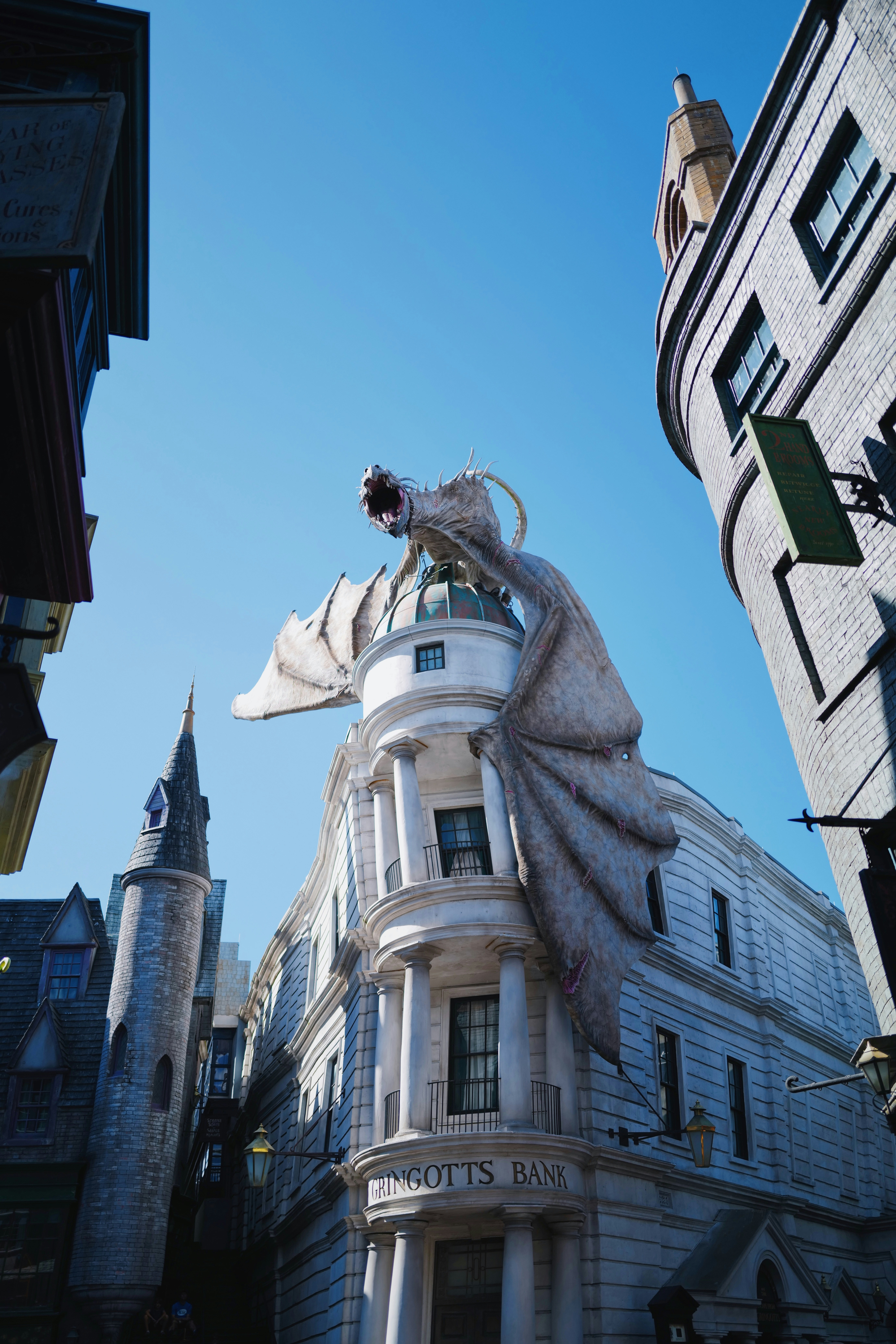
Introduction to Legendary Creatures
Legendary creatures have long played a pivotal role in the realm of fantasy literature, serving as enchanting symbols of humanity’s imagination and cultural heritage. These fantastical beings often embody the values, fears, and hopes of the societies that create them, drawing upon a rich tapestry of folklore and mythology. Their existence transcends the pages of novels, inviting readers to explore realms where the extraordinary seamlessly blends with the ordinary.
The significance of legendary creatures is evident across various cultures, where they often symbolize the duality of nature and human emotion. From the noble dragons of Eastern traditions to the sinister vampires of Western folklore, these beings offer a reflection of human traits and societal archetypes. By populating their narratives with such remarkable entities, authors craft immersive worlds that captivate readers and provoke thought on moral and existential questions.
Throughout history, legendary creatures have shaped storytelling, evolving to reflect cultural shifts and resonate with contemporary audiences. In ancient myths, fantastical beings often served as allegorical figures, representing virtues like bravery and loyalty or warnings against hubris and greed. As fantasy literature emerged as a distinct genre, these creatures adapted to meet the storytelling needs of their time, achieving a sense of timelessness.
This blog post will delve into ten legendary creatures that have significantly influenced fantasy narratives and captivated the imaginations of readers worldwide. By exploring their origins and the roles they play within their respective stories, we aim to highlight the enduring nature of these beings and their importance in the development of fantasy literature. As we embark on this journey, we will uncover the fascinating interplay between culture, storytelling, and the mythical creatures that propel our fantasies forward.
Dragons: The Majestic Beasts of Fantasy
Dragons have long captivated the human imagination, serving as one of the most iconic representations of legendary creatures in fantasy literature. Their portrayal varies significantly across different cultures, reflecting local myths, values, and beliefs. In Western traditions, dragons are frequently depicted as fearsome adversaries, embodying chaos and destruction. In contrast, many Eastern cultures celebrate dragons as symbols of power, wisdom, and benevolence, often associated with water and agriculture.
Throughout history, dragons have made notable appearances in countless literary works. From J.R.R. Tolkien’s Smaug in “The Hobbit” to George R.R. Martin’s dragons in “A Song of Ice and Fire,” these majestic beasts play pivotal roles in shaping narratives. Smaug, for instance, is emblematic of greed and destruction, hoarding treasure in the lonely mountain while exerting terror over the surrounding landscape. Conversely, in Martin’s series, dragons represent both destruction and rebirth, symbolizing the return of a figure long thought extinct and serving as a catalyst for significant events within the story.
Beyond their roles within specific narratives, dragons carry profound symbolic meanings in fantasy literature. Their duality—capable of creating life or championing destruction—reflects humanity’s complex relationship with power and nature. The concept of dragons as guardians of ancient knowledge emphasizes their wisdom, while the fear they evoke serves as a reminder of the destructive potential that power holds. As they soar through the skies of fantasy novels, dragons embody the human fascination with the extraordinary, ensuring their status as legendary creatures that continue to inspire writers and readers alike.
Elves: Enigmatic Beings of Grace and Magic
Elves have long been a staple of fantasy literature, captivating readers with their ethereal beauty, intelligence, and magical prowess. Often depicted as slender and graceful, these beings embody an ideal of physical and spiritual elegance. Their enchanting presence in fantasy novels communicates a deep connection to nature, beauty, and otherworldly magic. Elves are not merely characters; they represent an ideal of harmony between humanity and the natural world.
In works such as J.R.R. Tolkien’s “The Lord of the Rings” and “The Silmarillion,” elves are portrayed as ageless beings with a profound understanding of the universe. With their unmatched skills in magic and craftsmanship, they significantly impact the stories they inhabit. From crafting powerful artifacts to wielding spells that bend reality, elves are presented as guardians of ancient knowledge and wisdom, often serving as mentors to human characters. This intricate balance of power and beauty contributes to their enigmatic allure.
The relationship between elves and nature is another prominent theme in fantasy literature. They are often depicted as caretakers of forests and rivers, embodying a natural elegance that is deeply rooted in their existence. This connection to the environment allows elves to thrive, drawing power from the very essence of the land. Their interactions with humans and other magical creatures are typically steeped in a sense of respect and wonder, underscoring the complexities of coexistence among different beings in a shared world.
Furthermore, the portrayal of elves varies across different cultures and narratives. In various mythologies, they may be seen as mischievous or benevolent, blending features from folklore and individual authors’ imaginations. Yet, the common thread of grace and magic remains, captivating generations of readers and securing their place as legendary figures within the realm of fantasy literature.
Unicorns: Symbols of Purity and Hope
Unicorns have long held a position of enchantment in both mythology and fantasy literature, serving as powerful symbols of purity, innocence, and the magical aspects of nature. These mythical creatures, often depicted as elegant horses with a single spiraled horn protruding from their foreheads, can be traced back to ancient texts and folklore, appearing in various cultures globally. Early references to unicorns can be found in ancient Mesopotamian seals, as well as in the writings of the Greek historian Ctesias, who described a creature resembling a unicorn in his accounts of the Indus Valley. Through the ages, unicorns have evolved into potent archetypes, their allure and mystique firmly embedded in cultural consciousness.
In contemporary fantasy novels, unicorns continue to captivate readers, often embodying various themes and serving distinct narrative roles. For instance, in many stories, they are portrayed as rare and magical beings that connect the mortal world with realms of wonder and possibility. Authors utilize these creatures to explore themes of hope, transformation, and the inherent goodness found within the innocence of youth. Their rarity in literature reinforces their symbolism, emphasizing the idea that purity and goodness are precious virtues worth protecting and cherishing.
Different interpretations of unicorns within various narratives can also shed light on cultural variations in their symbolism. In Medieval Europe, they often represented Christ and purity, while in some Eastern philosophies, unicorns embody balance and harmony. Modern literature, including works by notable authors such as Peter S. Beagle in “The Last Unicorn,” reflects a more nuanced approach, exploring the bittersweet nature of unicorns as representations of the lost innocence of childhood and the fleeting nature of dreams.
Overall, unicorns remain enduring symbols of hope and purity, captivating the imagination across generations and fostering a sense of wonder in the hearts of readers everywhere.
Chimeras: The Fusion of Beasts
The chimera is a fascinating mythical creature that has captured the imagination of many, appearing in various forms throughout fantasy novels and mythology. Originating from ancient Greek mythology, the chimera is often depicted as a hybrid amalgamation of a lion, a goat, and a serpent, symbolizing chaos and the unpredictability of nature. The notion of merging different animal identities represents not only physical transformation but also the complexities and contradictions inherent in the world.
In fantasy literature, chimeras frequently embody themes of duality, resulting from the blending of different species. This representation resonates with contemporary discourse around identity and the notion of the ‘other,’ making them particularly relevant in today’s cultural narratives. Authors often utilize chimeras to explore conflicts between instinct and reason, as they are creatures that embody both ferocity and grace, illustrating the perpetual struggle between opposing forces.
Furthermore, the chimera serves as a metaphor for transformation and adaptability, reflecting the changes experienced by characters in various story arcs. In many novels, protagonists encounter chimeras as formidable adversaries or as complex allies, embodying the essence of unpredictability. This allows authors to effortlessly weave themes of transformation, acceptance, and the acknowledgment of one’s inner turmoil into their narratives, leading to rich character development and deeper plots.
The enduring legacy of chimeras in fantasy literature underscores their role as multifaceted symbols that provoke thought and evoke wonder. By examining the representation of these creatures within various narratives, readers can gain insights into the human condition, making chimeras an essential element in the tapestry of mythical beings that populate fantasy novels.
Mermaids: The Allure of the Sea
Mermaids have long been a source of fascination in fantasy literature, embodying both beauty and peril. Traditionally depicted as half-woman, half-fish beings, mermaids possess an enchanting allure that has captivated readers for centuries. Their enchanting songs are said to lure sailors to their doom, illustrating a profound duality in their nature. This ability to invoke desire while simultaneously presenting a threat underscores the complexity of emotions they represent.
In various works of fantasy, mermaids often symbolize the untamed nature of the sea. They embody a sense of freedom and mystique that reflects humanity’s own desires for exploration and adventure. However, their portrayal extends beyond mere physical beauty. These creatures frequently serve as metaphors for the complexities of love and longing, encapsulating the human condition’s duality. In stories, such as Hans Christian Andersen’s “The Little Mermaid,” the protagonists confront the challenges of identity and sacrifice, further enhancing their emotional depth.
Moreover, mermaids hold significant cultural importance across different societies. Folklore from ancient civilizations, such as the Greeks and Egyptians, often references these mythical beings, illustrating a universal allure. In many cultures, mermaids are seen as harbingers of destiny, representing both fortune and misfortune. This cultural significance contributes to the extensive portrayals of mermaids in fantasy, making them a versatile symbol in storytelling.
The enduring appeal of mermaids lies not only in their captivating beauty but also in the rich tapestry of emotions and moral lessons they convey. Through their complex narratives, they invite readers to explore the vast and often tumultuous waters of human experience. As such, mermaids have firmly established themselves as legendary creatures, continuing to resonate and inspire within the realm of fantasy literature.
Griffins: Guardians of Myth
Griffins, the majestic hybrid creatures combining the powerful body of a lion with the soaring wings and head of an eagle, have captured the imagination of many throughout history. These mythical beings symbolize the balance of strength and wisdom, reflecting the dual natures prevalent in various fantasy narratives. As guardians of the heavens, griffins are often depicted as protectors of valuable treasures and sacred places, guarding them fiercely against any who dare approach.
In fantasy literature, griffins often fulfill the role of noble creatures, serving as allies to heroes and protagonists. In works such as J.R.R. Tolkien’s “The Silmarillion,” griffins play a crucial role in the various mythologies, helping characters navigate the complexities of their adventures. Their loyalty and strength make them desirable companions, and such representations align with their traditional symbolism of guardianship. The dualistic nature of griffins also allows them to be portrayed as formidable adversaries when threatened, showcasing their fierce protective instincts.
Additionally, the symbolism of griffins extends beyond mere physical prowess. They represent the idea of divine protection, embodying the interconnectedness between earth and sky. Their presence in significant fantasy novels often conveys themes of valor, loyalty, and the pursuit of justice. For example, in the “Harry Potter” series, the griffin serves as a emblematic figure of honor and strength, further enriching the narrative backdrop.
Overall, the role of griffins in fantasy literature serves as a profound reminder of the enduring legacy of these creatures in human storytelling. Their rich symbolism and diverse representations as protectors reaffirm their place as legendary beings that continue to inspire awe and wonder across generations.
Werewolves: The Beast Within
The legend of werewolves has fascinated humanity for centuries, capturing imaginations through folklore, literature, and modern media. The origins of the werewolf myth can be traced back to ancient cultures, where tales of shape-shifting and animalistic behavior were interwoven with spiritual beliefs. In many traditions, the werewolf symbolizes the inherent conflict within human nature, representing our struggle between civility and primal instincts.
In fantasy literature, werewolves are often depicted as both horrifying monsters and tragic figures. Their duality captures the essence of humanity’s internal battles—rational thought versus uncontrollable urges. This complexity is central to the portrayal of werewolves, allowing readers to explore themes of identity, transformation, and the consequences of succumbing to one’s darker impulses. Works such as “The Werewolf” by A. L. O. E. and the iconic “The Wolfman” amplify these traits, while also engaging with societal anxieties surrounding the unpredictability of human behavior.
The psychological themes involved in werewolf stories often delve into the subconscious concerns surrounding repression and freedom. The transformation into a werewolf can be viewed as a metaphor for the liberation of suppressed emotions. In this light, the creature embodies the fears people have regarding their darker sides and the societal expectations that often dictate behavior. Furthermore, this duality encourages readers to contemplate their own nature—what it means to be human when faced with primal instincts.
In modern adaptations, such as the “Twilight” series by Stephenie Meyer, and the “Harry Potter” series by J.K. Rowling, werewolves continue to resonate. These characters articulate both personal struggles and broader social issues, demonstrating how werewolves remain relevant in contemporary discussions. As harbingers of the beast within, they challenge us to confront what lies beneath the surface of our civilized existence.
8. Phoenix: The Cycle of Death and Rebirth
The phoenix, a mythical bird celebrated throughout various cultures, epitomizes the profound themes of renewal, immortality, and transformation. This legendary creature is often depicted as possessing vibrant plumage, glowing embers in its presence, and an enchanting ability to rise majestically from its own ashes. This rebirth is not merely a fantastical aspect; it carries deep symbolism that resonates with themes of hope and resilience. In various fantasy novels, the phoenix is used as a powerful metaphor, illustrating the necessity of overcoming adversity and emerging stronger than before.
<p "harry=""
Furthermore, the phoenix’s cyclical life, characterized by phases of death, burning, and eventual resurrection, brings forth discussions surrounding themes of mortality. It challenges readers to contemplate the idea that death may not signify an end but rather a transformation into something new. Such depictions force characters and readers alike to confront personal challenges, reinforcing the notion that within trials lie opportunities for growth and renewal. In essence, the magical phoenix has become a timeless figure in fantasy literature, captivating audiences with its embodiment of life’s perpetual cycle and inspiring hope in the face of adversity.
Conclusion: The Enduring Legacy of Legendary Creatures
Legendary creatures have long served as essential components of fantasy novels, imbuing stories with a sense of wonder and awe. These mythical beings, spanning from dragons to unicorns, not only provide captivating narratives but also provoke profound reflections on human existence, morality, and creativity. The presence of these creatures in literature symbolizes the innate human desire to explore the unknown and confront our fears, as they often embody the complexities of life itself.
Throughout history, these legendary beings have become icons within various cultures, showcasing humanity’s shared interests and fears across different epochs. They offer readers a window into the moral dilemmas and existential questions faced by societies, allowing for an exploration of themes such as good versus evil, the struggle for power, and the quest for identity. For instance, dragons are frequently depicted as formidable adversaries, challenging heroes to rise to their potential, while simultaneously representing the darker aspects of ambition and greed.
The enduring appeal of legendary creatures is evident in contemporary storytelling as well. Authors continue to draw inspiration from these mythical beings, adapting and reimagining them to resonate with modern audiences. This not only revitalizes the narratives surrounding these creatures but also ensures their relevance in discussions of societal values and human emotions. Furthermore, the blend of fantasy with relatable themes allows readers to engage with complex issues, providing them a safe space to explore their thoughts and feelings.
In essence, the legacy of legendary creatures persists due to their ability to transcend time and culture, fostering curiosity and inspiring imagination. Their impact on literature also reinforces the timeless nature of storytelling, where tales of fantastical beings serve to remind us of the richness and depth of our collective human experience.