Introduction to Middle-earth’s Races
Middle-earth, the richly crafted world conceived by J.R.R. Tolkien, is populated by a diverse array of races, each contributing uniquely to the intricate tapestry of its history. Among these races are Elves, Dwarves, Men, Hobbits, and other lesser-known beings, all of which play crucial roles in the overarching narrative of the Lord of the Rings. Tolkien’s meticulous world-building defines not only the characteristics of these races but also their cultures, values, and conflicts. This complexity fosters a depth of storytelling that captivates readers and viewers alike.
The Elves, often perceived as immortal and ethereal creatures, are deeply connected to nature and possess extraordinary skills in arts and warfare. Their land, filled with forests and magic, embodies tranquility, yet they are embroiled in the larger struggles of Middle-earth. In stark contrast, the Dwarves are known for their prowess in mining and craftsmanship, living in grand underground halls. Their culture values honor and kinship, but they too face the challenges from both within and outside their realms.
Men represent a significant aspect of Tolkien’s narrative, encapsulating the spectrum of human experience from nobility to treachery. The diversity amongst the races of Men reflects various cultures and societies, each facing their unique trials throughout the overarching themes of good versus evil. Hobbits, smaller in stature yet large in spirit, bring warmth and humor to the tale, emphasizing that everyday virtues can triumph over great darkness.
This exploration into Middle-earth’s races sets the stage for a deeper investigation into their origins, cultural significance, and the vital roles they play in the stories told throughout Tolkien’s works. Each race not only adds a different flavor to the narrative but also holds a mirror to human experiences, allowing readers to draw connections between fantasy and reality in profound ways.
Elves: The Ethereal Guardians of Middle-earth
Elves, known for their grace and beauty, are one of the most captivating races in the Lord of the Rings universe. They embody a unique blend of ethereal qualities and formidable prowess, serving as both guardians and skilled warriors. Their origins trace back to the earliest days of Middle-earth, when they awoke under the stars, and they possess a deep connection with nature that sets them apart from other races.
Characteristically, Elves are marked by their slender forms, pointed ears, and remarkable longevity. Unlike humans, Elves do not age in the same manner, granting them centuries, if not millennia, to witness the unfolding of history. Their lives are extended by the inherent magic of their being, and they are often portrayed as wise and knowledgeable, with abilities that include heightened senses, unparalleled agility, and mastery of archery and swordsmanship. Their affinity for music and art further highlights their intellectual pursuits and emotional depth.
The societal structures of Elves are intricate and steeped in tradition. They often dwell in harmonious communities, such as Rivendell and Lothlórien, where their environments are imbued with enchantment. Elders hold significant respect in Elven culture, serving as leaders and custodians of history. This close-knit society places great importance on unity and kinship, which is evident in their alliances during conflicts, most notably the War of the Ring.
Elves play a crucial role in the broader conflict against darkness in Middle-earth. They are among the first to confront Sauron and the evil he represents. Their participation is not merely martial; it encompasses diplomatic efforts and the nurturing of alliances with other races, such as humans and dwarves. Through their resilience and wisdom, Elves become a beacon of hope in the fight against the encroaching shadows, demonstrating their significance in the overall tapestry of J.R.R. Tolkien’s narrative.
Dwarves: The Stalwart Craftsmen and Warriors
The Dwarves are one of the most intriguing races within the Lord of the Rings universe, renowned for their unwavering resilience and profound craftsmanship. Known for their mastery in stone and metal, Dwarves possess a rich cultural heritage that is steeped in tradition, artistry, and a deep appreciation for the earth’s resources. This affinity for craftsmanship is reflected in their legendary works, such as the creation of powerful weapons and intricate jewelry, which often tell stories of their storied past.
Dwarven society is characterized by a strong sense of kinship and loyalty, with clans such as Durin’s Folk playing prominent roles in their history. This sense of unity manifests in a deep reverence for ancestry and lineage, which is central to their identity. Many Dwarves honor their forebears through tales of valor, particularly the feats of ancient kings and warriors who shaped their legacy. These stories are woven into the very fabric of Dwarven culture, emphasized through their rich oral traditions.
Interactions with other races, particularly Elves and Men, reveal a complex tapestry of alliances and tensions. Historically, Dwarves and Elves have had a tumultuous relationship, often fraught with misunderstandings and varying ideologies. However, moments of camaraderie, such as the alliance forged in the War of the Ring, highlight the capable diplomacy that Dwarves can embody. Their relationships with Men, on the other hand, tend to be more amicable, particularly in times of mutual threat.
Through their steadfast nature and exceptional abilities, Dwarves serve not only as formidable warriors but also as pivotal allies in the struggle against darkness in the Lord of the Rings narrative. Their craftsmanship continues to leave an indelible mark on Middle-earth, showcasing their unique contributions to the region’s history and culture.
Men: The Most Dynamic Race
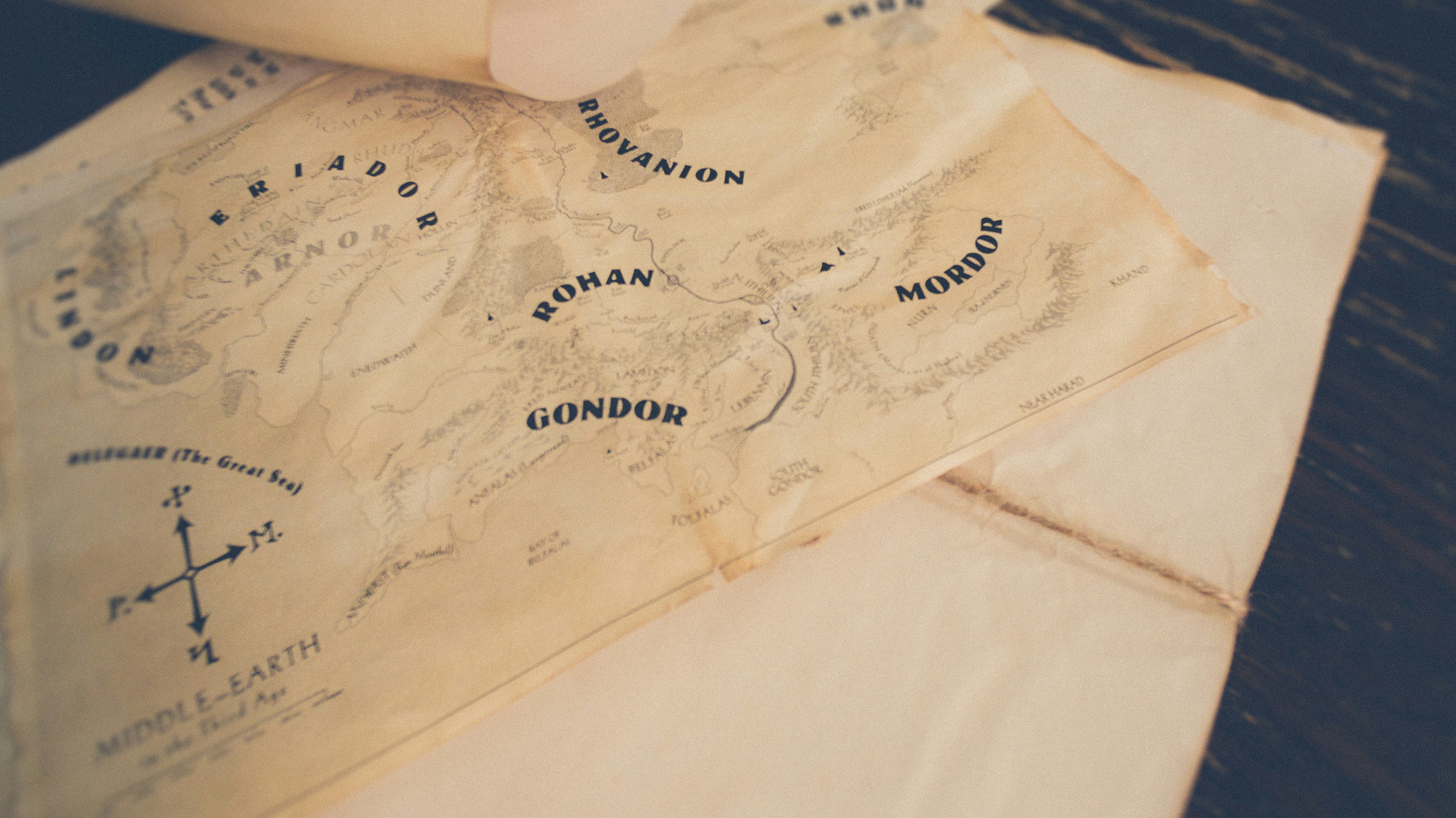
In the expansive narrative of J.R.R. Tolkien’s Middle-earth, Men represent a race of boundless diversity and intricate complexity. Unlike other races, such as Elves and Dwarves, Men display a wide array of cultures, beliefs, and moral frameworks. This variability is evident in the numerous human kingdoms scattered across the realms of Arda, including Gondor, Rohan, and Harad. Each kingdom presents unique characteristics shaped by historical lineage, geography, and the prevailing influence of their leaders.
The Kingdom of Gondor stands as a prime example, embodying courage and resilience in the face of adversity. Its storied history includes interactions with other realms, showcasing the diplomatic and military strategies that have defined its existence. In contrast, Rohan, known for its equestrian culture and warrior spirit, illustrates a different aspect of humanity—one that values loyalty, honor, and the bond with nature. These varied traits underscore the moral complexities inherent to Men, as they navigate a world filled with temptation and strife.
Furthermore, the choices made by Men significantly affect the fate of Middle-earth. The narrative arc of characters such as Aragorn, Boromir, and Éowyn reveals the nuanced journey of mankind, characterized by their struggles between good and evil. Faults and virtues manifest through decisions that depict empathy, betrayal, sacrifice, and redemption—each action resonating through the ages, ultimately shaping the world they inhabit.
The dynamic nature of Men makes them a focal point in the larger tapestry of Middle-earth, reflecting the core theme of free will. Their evolution and moral dilemmas contribute to the richness of Tolkien’s universe, as they grapple with the implications of their choices on the destinies of themselves and their surroundings. Thus, Men, with all their diversity and complexities, remain a compelling subject of exploration in the Lord of the Rings saga.
Hobbits: The Unassuming Heroes
Hobbits, often perceived as simple and unassuming, play a pivotal role in the vast tapestry of J.R.R. Tolkien’s Middle-earth. Characterized by their small stature, love for peace, and affinity for rural life, Hobbits reside primarily in the Shire, a region celebrated for its rolling hills and lush landscapes. Living in charming burrows, they lead simple lives, thriving on agriculture and community values. Despite this tranquil existence, Hobbits possess an inner strength and resilience that often emerges during times of great peril.
The Hobbits’ deep-rooted values of hospitality, friendship, and hard work underscore their significant contribution to the narrative. They are depicted as champions of loyalty and representation of the potential for greatness in even the most unassuming individuals. Their innate ability to navigate the challenges presented by the oppressive forces of Sauron showcases their unexpected courage. For instance, characters like Frodo Baggins and Samwise Gamgee illuminate the themes of friendship, sacrifice, and personal growth. Through their journeys, Hobbits exemplify how bravery can exist behind a facade of simplicity.
Moreover, Hobbits embody the concept that true heroism does not always manifest through grand gestures or exceptional prowess. Instead, it can arise from unwavering determination and a strong sense of moral duty. As they contend with dark powers and oppressive forces, they remind audiences that heroism often dwells in ordinary lives and everyday choices. This nuanced portrayal serves to elevate the Hobbit race from mere background characters to essential figures within the epic saga. Through their journey, they assert the importance of heart, loyalty, and resilience in the face of adversity, making Hobbits some of the most beloved characters in the cherished lore of Middle-earth.
Orcs and Other Dark Creatures: The Forces of Evil
The universe of J.R.R. Tolkien’s Middle-earth is populated by a myriad of races, most notably the Orcs, who serve as the quintessential embodiment of evil in the narrative. Orcs, as created by the Dark Lord Morgoth during the First Age, are a twisted mockery of Elves, illustrating the corruptive power of malice and ambition. Their physical appearance—characterized by their grotesque features, dark skin, and menacing demeanor—reinforces their role as the primary antagonists in the epic battles against the Free Peoples.
Central to the evolution of the Orc race is their manipulation and domination by Sauron, who sought to harness their brutality for his own nefarious purposes. Under Sauron’s command, Orcs became organized, functioning as soldiers and laborers for the construction of his military might, with the infamous Isengard and Mordor serving as key strongholds. Their ability to attack in numbers, coupled with their inherent ferocity, made them integral to the multitude of conflicts that mark the history of Middle-earth.
Beyond Orcs, the realm of dark creatures encompasses a range of sinister beings, including Goblins, Trolls, and the terrifying Nazgûl. Goblins, smaller and more cunning than Orcs, often dwell in caves and are known for their treachery and ambush tactics. Trolls, on the other hand, are gigantic and brutish, wielding immense strength, while the Nazgûl, former kings corrupted by Sauron’s power, serve as his most fearsome servants, embodying despair itself.
Each of these creatures represents various facets of darkness and decay, making them essential to Tolkien’s exploration of good versus evil. The relationships they maintain, both amongst themselves and with their dark master, paint a complex picture of loyalty and fear, ultimately driving the narrative forward as the Free Peoples of Middle-earth strive to combat their overwhelming menace.
Ents and Other Unique Beings: Guardians of Nature
Within the vast narrative of J.R.R. Tolkien’s Middle-earth, several unique beings stand out for their connection to nature and the ecosystem. Among these, Ents hold a significant place as the ancient protectors of the forests. Described as tree-like creatures with the ability to speak, they embody the essence of nature’s wisdom and strength. Ents are not merely trees animated; they are sentient beings with deep-rooted knowledge of the natural world, making them formidable guardians against encroachment and destruction.
Ents play a crucial role in the balance of life within Middle-earth, particularly through their involvement in the war against the destructive forces of Saruman. Their resistance to the industrialization represented by Isengard emphasizes the struggle between nature and destruction. This characteristic aligns them closely with the themes of environmentalism that resonate throughout Tolkien’s work.
In addition to Ents, the landscape of Middle-earth is populated by other unique beings such as Trolls and Wargs. Trolls are massive, brutish creatures often portrayed as simplistic and dangerous. Initially designed for war, they reflect the darker aspects of nature, serving as a reminder of the primal chaos that exists alongside more benevolent beings. Conversely, Wargs, the wolf-like creatures often associated with the goblins, inhabit the forests and mountains, contributing to the natural hierarchy through their predatory role within the ecosystem.
Together, these distinctive beings—Ents, Trolls, and Wargs—highlight the diversity in Tolkien’s universe. They each possess unique traits that not only enrich the lore but also reflect the complex interplay between the various life forms residing in Middle-earth. The interactions and relationships among these beings offer insight into Tolkien’s understanding of ecology, emphasizing that every creature, regardless of its traits, plays a vital role in the intricate web of life.
Cross-Race Relations and Alliances
The intricate tapestry of the Lord of the Rings universe showcases a diverse range of races, each with its own unique culture, strengths, and vulnerabilities. The interactions among these races illustrate the complexities of cross-race relations, particularly when faced with existential threats. Historically, races such as Elves, Men, Dwarves, and Hobbits have maintained distinct identities and often approached alliances with trepidation. However, it is in moments of dire need that unexpected alliances form, revealing the underlying commonalities shared among these races.
One of the most significant instances of cross-race cooperation occurs during the War of the Ring. Faced with the looming threat of Sauron’s forces, the disparate races unite at pivotal locations such as Rivendell, Lothlórien, and Minas Tirith. Each race contributes unique abilities and perspectives to the cause, transforming individual strengths into a formidable collective force. The Council of Elrond serves as a prime example of this unity, as it brings together representatives from Elves, Dwarves, and Men. Here, past grievances are set aside in favor of a shared objective: the destruction of the One Ring.
Moreover, bonds are forged through sacrifice and mutual respect, as seen in the friendships between characters like Legolas, Aragorn, and Gimli. These relationships not only enrich the narrative but also serve as a microcosm of the broader alliances that emerge amidst chaos. The clashes that occasionally arise between races, such as the historical enmity between Elves and Dwarves, further highlight how cooperation often triumphs over conflict when survival is at stake. Ultimately, the story of the Lord of the Rings constructs a vivid exploration of how different races can interact, forge alliances, and find common ground even in the most trying circumstances.
Conclusion: The Rich Tapestry of Middle-earth
The world of Middle-earth, as crafted by J.R.R. Tolkien, is not merely a backdrop for a fantastical narrative; it is a rich tapestry interwoven with the diverse races and cultures that inhabit it. This diversity is not just an artistic choice but a deliberate reflection on the multifaceted nature of humanity. Each race—be it the noble Elves, the sturdy Dwarves, the resilient Men, or the enigmatic Hobbits—embodies unique traits and philosophies that contribute to the overall depth of the Lord of the Rings universe.
Tolkien’s portrayal of these races serves to highlight themes of unity, conflict, and coexistence. The collaborations and tensions among the different beings of Middle-earth echo the real-world dynamics of cultural diversity. Their interactions, filled with mutual respect and occasional strife, demonstrate that while differences may exist, there is also the potential for shared purpose and communal strength. This thematic exploration emphasizes the idea that it is through our diversity—as individuals and communities—that we can achieve collective greatness.
Furthermore, the varied histories and legends associated with each race enrich the lore of Middle-earth. From the ancient wisdom of the Elves, deeply rooted in their connection to nature and artistry, to the robust traditions of the Dwarves, who are revered for their craftsmanship and fortitude, every race contributes to the mythos that captivates audiences. Such depth sustains the engagement of readers and enthusiasts, allowing them to immerse themselves in a world where diversity thrives amidst a backdrop of adversity.
Thus, the racial diversity in the Lord of the Rings universe not only enhances the narrative but also invites readers to ponder the lessons of cooperation and understanding. An appreciation for this rich tapestry underscores how Tolkien’s work transcends mere storytelling, offering profound insights into our own world.