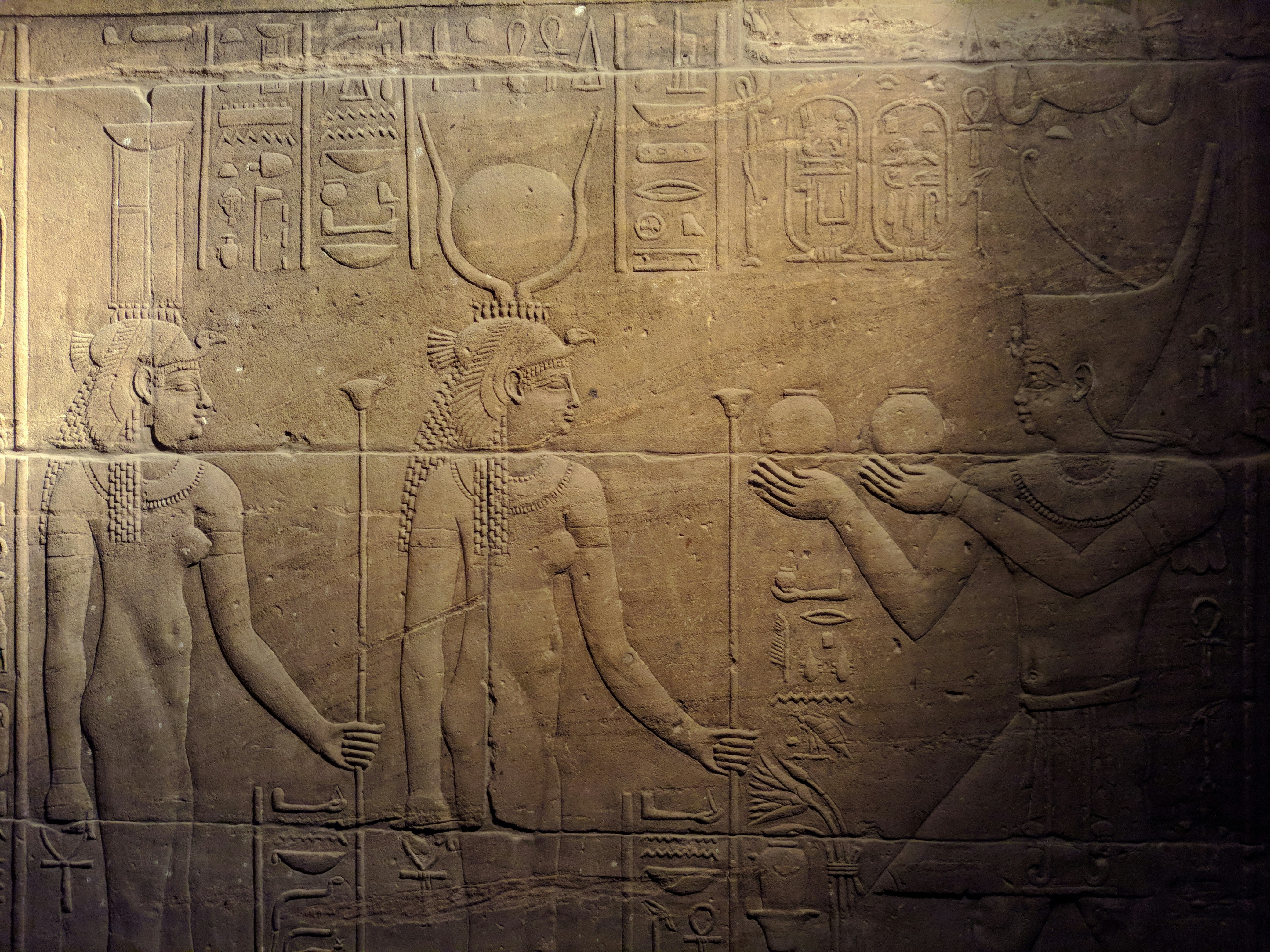
Introduction to Heliopolis
Heliopolis, known in Ancient Egypt as Iunu, was a prominent city located in the northeastern part of the Nile Delta, just north of modern Cairo. This ancient metropolis was highly revered for its extensive cultural and religious significance, particularly as a center of worship dedicated to the sun god Ra. Ra, considered one of the most important deities in the Egyptian pantheon, symbolized light, warmth, and growth. As such, Heliopolis played a pivotal role in Egyptian spirituality, contributing to various mythological narratives that underscored the sun’s essential role in sustaining life.
The geographical positioning of Heliopolis allowed it to thrive as a religious and political hub. Due to its proximity to the Nile River and its fertile lands, the city flourished economically and became a vital site for commerce and trade. Historically, Heliopolis was not only renowned for its temple complex dedicated to Ra but also housed various schools of thought, philosophy, and astronomy. It was here that priests studied celestial bodies, enhancing the understanding of time and the calendar, which was essential for agricultural planning in the ancient world.
Moreover, Heliopolis served as a significant pilgrimage destination where devotees gathered to pay homage to Ra. This city’s influence extended well beyond its borders; it impacted the religious practices across other Egyptian cities and kingdoms, weaving Heliopolis into the broader tapestry of Egyptian mythology and culture. This resulted in a merging of beliefs and practices, making Heliopolis an integral part of the spiritual identity of ancient Egyptians. Through this exploration of Heliopolis, we gain insights into how ancient civilizations interlinked daily life with the cosmos through their deities, spaces, and cultural rituals.
The Mythology of Heliopolis
Heliopolis, known as the “City of the Sun,” plays a pivotal role in the mythology of ancient Egypt. It was not just a metropolis but a sacred center of worship that housed the powerful sun god Ra, who was believed to be the creator of all things. The mythology surrounding Heliopolis is deeply rooted in various creation myths, which illustrate Egypt’s religious and cultural identity.
One of the central myths linked to Heliopolis is the creation story of the Ennead, a group of nine deities who were revered within the city. According to ancient texts, Atum, the first god, emerged from the primordial waters of chaos (Nun) and subsequently created the divine couple, Shu (air) and Tefnut (moisture). This act set into motion the creation of the world, including the remaining members of the Ennead: Geb (earth), Nut (sky), Osiris, Isis, Seth, and Nephthys. Each of these gods and goddesses holds specific attributes, contributing to the cosmology that influenced the entire Egyptian pantheon.
The narratives of the Ennead and their relationships highlight the significance of familial bonds in Egyptian mythology. Ra, as the supreme solar deity, was often depicted as the father figure of this divine assembly, symbolizing the sun’s journey across the sky and its vital role in sustaining life. Heliopolis became a center for solar worship, with temples dedicated to the veneration of Ra and other members of the Ennead, reinforcing its importance as a religious hub.
Moreover, these myths not only served religious purposes but also shaped the cultural and societal frameworks of ancient Egyptian civilization. The tales of creation and the deities’ interactions provided moral lessons, explained natural phenomena, and established a cosmic order that governed the lives of the Egyptians. Heliopolis thus stands as a significant testament to the rich tapestry of beliefs that characterized ancient Egypt.
The Historical Significance of Heliopolis
Heliopolis, known as Iunu in Ancient Egyptian, was a significant center of worship and learning during the era of Ancient Egypt. This city held monumental importance from the Old Kingdom through to the Greco-Roman period, navigating through various dynasties while maintaining its role as a religious hub. Heliopolis was particularly renowned for its temple dedicated to the sun god Ra, symbolizing the solar aspect of the Egyptian pantheon.
During the Old Kingdom, Heliopolis became a pivotal site for the Pharaohs, who regarded its religious authority as vital for legitimizing their rule. The construction of monumental temples within its vicinity showcased not only the architectural prowess of the Egyptians but also the political power wielded by the priesthood. The High Priests of Ra became influential figures, often holding significant sway over the state’s affairs. This relationship between religion and politics solidified Heliopolis’s status as a crucial urban center.
As time progressed into the Middle Kingdom and the New Kingdom, Heliopolis continued to thrive as a center of gravity within Egypt’s social and political landscape. The connection between Heliopolis and other key cities, such as Memphis and Thebes, formed a network of power that facilitated cultural and religious exchange throughout the ancient nation. It is essential to note that Heliopolis also served as a center for astronomical studies, underscoring its multifaceted contributions to Ancient Egyptian society.
During the Greco-Roman period, while Heliopolis declined in its political influence, it still retained its religious significance. The merging of Egyptian and Greco-Roman cultures further enriched Heliopolis, adding layers to its already rich historical tapestry. The city’s legacy as a center of power, spirituality, and learning highlights its historical importance within the framework of Ancient Egypt.
Architecture and Temples of Heliopolis
Heliopolis, known as Iunu in ancient Egyptian, was a center of solar worship and is particularly famous for its magnificent temples and architectural features. The most renowned structure is the Sun Temple of Ra, dedicated to the sun god, which demonstrated both the religious significance and architectural prowess of ancient Egyptian civilization. This temple was characterized by massive stone blocks, intricately carved reliefs, and monumental colonnades that reflected the sunlight, enhancing the divine associations of the structure.
The layout of the Sun Temple was designed to facilitate rites and ceremonies aligned with the sun’s movement, showcasing a deep connection between the cosmos and the earthly realm. The tower, or obelisk, served both as a religious symbol and as a marker of time, indicating the arrival of dawn and the sun’s journey across the sky. These obelisks, some of which still stand today, were crafted from granite and adorned with inscriptions that praised Ra, thus contributing not only to Heliopolis’s skyline but also to the historical narrative of ancient Egypt.
Additional important monuments include various smaller temples and sacred places dedicated to other deities, such as Osiris and Horus. Each temple featured elaborate artwork depicting gods, goddesses, and significant mythological events. The use of materials such as sandstone and limestone, often sourced locally, underscores the community’s commitment to showcasing their architectural talents. The artistry involved in these constructions, from grand statues to relief carvings, reflects the cultural significance of divine representation in everyday life.
In conclusion, the architectural heritage of Heliopolis represents not only the brilliance of ancient construction techniques but also the profound religious beliefs that shaped its society, making it a crucial site in understanding ancient Egyptian civilization.
Heliopolis in Ancient Egyptian Astronomy
Heliopolis, one of the oldest cities of ancient Egypt, played a crucial role in the development of astronomy in the region. Known as the “City of the Sun,” it was dedicated to Ra, the sun god, and served as a significant center for both religious and scientific pursuits. The city’s priests were not only spiritual leaders but also astronomers who meticulously studied the heavens, contributing to the rich astronomical knowledge of ancient Egypt.
The primary focus of astronomical observations in Heliopolis was the sun. The priests developed an extensive understanding of solar movements, which they recorded and used to create a sophisticated calendar. The creation of a solar calendar was pivotal as it allowed for the tracking of seasonal changes and agricultural cycles, thus greatly influencing the economy and daily life of the ancient Egyptians. This calendar consisted of 365 days, divided into twelve months of thirty days each, with an additional five days added at the year’s end, a remarkable achievement for that era.
Moreover, the alignment of temples and monuments in Heliopolis with celestial bodies demonstrates the significance of astronomy in religious practices. Temples were often oriented to align with the rising and setting of the sun, showcasing a deep connection between the divine and the cosmos. The Great Temple of Ra in Heliopolis was particularly notable for its alignment, which facilitated solar worship during specific times of the year, further emphasizing the city’s central role in ancient Egyptian astronomy.
In summary, Heliopolis was a hub for astronomical advancements in ancient Egypt, marking significant contributions to the understanding of timekeeping, seasonal changes, and religious alignments with celestial phenomena. Its influence endured long after the city’s decline, solidifying its legacy as a cornerstone of ancient astronomical practices.
The Decline of Heliopolis
The decline of Heliopolis, once a radiant epicenter of solar worship and scholarship in ancient Egypt, can be attributed to a multitude of interrelated factors that unfolded over centuries. Political shifts marked the beginning of this decline, particularly during the First Intermediate Period and the subsequent Middle Kingdom. As various dynasties emerged, the centralization of power moved from the traditional sun-oriented cults of Heliopolis towards the more politically invigorated administrative centers, such as Thebes and Memphis.
Social changes also significantly impacted Heliopolis. As the Egyptian society evolved, changing religious paradigms began to overshadow the ancient teachings and practices that once defined the city. The ascent of the Osirian cults, which emphasized afterlife and rebirth themes, diverted the population’s devotion away from the solar deities that Heliopolis had long revered. This shift in religious focus led to a gradual erosion of Heliopolis’s significance, as citizens sought spiritual solace in the more promising afterlife concepts espoused by rival cults.
Economically, the decline of Heliopolis was compounded by the infrastructural challenges that began to plague the region. As trade routes shifted and agricultural practices evolved, less economic activity was tied directly to the city. The once-thriving temples that served as economic hubs and centers of learning fell into disrepair, leading to a significant decrease in both religious and scholarly endeavors. With diminishing resources and followers, the religious institutions gradually succumbed to neglect, culminating in the eventual abandonment of Heliopolis’s religious practices and the disintegration of its once-great character.
Modern Discovery and Archaeology of Heliopolis
The archaeological efforts to uncover the ancient city of Heliopolis, or Iunu, have significantly advanced our understanding of this crucial site in ancient Egyptian civilization. Heliopolis, once a major religious center, is historically associated with the worship of the sun god Ra and the mythos surrounding creation. In modern times, researchers have sought to locate and excavate remnants of this legendary city, as much of it lies beneath the urban fabric of present-day Cairo.
Significant discoveries in the 19th and 20th centuries have provided invaluable insights into the city’s layout and its cultural importance. The identification of the Sun Temple of Userkaf, dating back to the Fifth Dynasty, has been a focal point of these archaeological endeavors. Ongoing excavations have unearthed large stone blocks, sphinxes, and inscriptions that illustrate the architectural prowess and religious significance of Heliopolis. These findings indicate that Heliopolis was not only a hub of worship but also a center for scholarly activity, particularly in the fields of astronomy and mathematics.
Modern archaeological techniques, including ground-penetrating radar and satellite imagery, have facilitated the research process, allowing archaeologists to detect subsurface features and plan their excavation efforts more efficiently. Scholars have also engaged in the study of artifacts found in excavated areas that reveal everyday life in Heliopolis, such as pottery and tools, which further highlight the city’s role in ancient Egyptian society.
Additionally, the collaboration between local and international archaeological teams has enhanced the scope and depth of the investigations in Heliopolis. These efforts have not only sparked renewed interest in the site but have also fostered a greater understanding of ancient Egyptian cosmology and its impact on subsequent cultures. The insights gained from the archaeological study of Heliopolis continue to shape our knowledge of one of the world’s earliest and most influential civilizations. As research progresses, it is anticipated that further discoveries will emerge, shedding light on Heliopolis’s legacy in the annals of history.
Cultural Legacy of Heliopolis
The ancient city of Heliopolis, known as Iunu in Egyptian, served as a significant religious and cultural center dedicated to the worship of the sun god Ra. This prominence has left a profound cultural legacy that extends far beyond its geographic confines and historical timeline. Heliopolis not only influenced art and architecture within Egypt but also left marked impressions on the literature and mythical narratives of later civilizations.
In the realm of art, Heliopolis inspired a wide array of representations that celebrated solar deities. The artistic expressions often depicted the sun shining down upon Pharaohs, symbolizing divine approval and the legitimization of their rule. The intricate carvings and vibrant murals found in tombs and temples provide insight into how the city encapsulated the ideals of immortality and divine favor, thereby solidifying its legacy in the artistic canon of ancient Egypt.
Literarily, Heliopolis contributed significantly to the mythological framework of the ancient world. Texts detailing the creation myths—including the emergence of the sun from the primordial waters—emphasized its central role in Egyptian cosmology. These narratives have resonated through time, influencing other cultures’ spiritualities and literature, showcasing a shared human curiosity about existence and the divine.
Furthermore, Heliopolis’s philosophical traditions, particularly those relating to knowledge of the cosmos, influenced Greek thought and contributed to the foundation of Western philosophical and scientific inquiry. Renowned figures, such as Plato and later philosophers, drew upon Heliopolitan wisdom, which permeated through various scholarly works.
Overall, the cultural legacy of Heliopolis is an emblem of its historical significance, demonstrating how collective memory and myth can shape societies across epochs and geographies. The echoes of this ancient city continue to reverberate, reminding us of the enduring power of culture and mythology in human civilization.
Conclusion: The Enduring Fascination with Heliopolis
The allure of Heliopolis, one of the most significant ancient cities of Egypt, continues to captivate historians, archaeologists, and enthusiasts alike. As a center of worship dedicated to the sun deity Ra, this city played a pivotal role in shaping the spiritual and cultural landscapes of ancient Egyptian civilization. From its grand temples that once dominated the skyline to its influential philosophical teachings, Heliopolis represents not just a geographical location but a vital aspect of Egypt’s historical narrative.
Modern society remains intrigued by the mysteries and achievements of ancient Egyptian culture, with Heliopolis serving as a focal point for this interest. The city’s contributions to religion, architecture, and astronomy highlight the advanced understanding that the Egyptians possessed regarding the cosmos and human existence. The Sun Temple, combined with the Obelisk of Heliopolis, reflects not just the artistic prowess of the civilization but also its profound connection to the natural world.
In recent years, archaeological discoveries and scholarly research have shed light on the historical significance of Heliopolis, prompting a renewed interest in exploring the remnants of this once-great city. Whether through guided tours to the site or through scholarly literature examining its rich tapestry of mythology and functionality, the quest to understand Heliopolis continues to ignite curiosity. The layers of history encapsulated within its ruins serve as a vivid reminder of the enduring legacy left behind by the ancients. As we look to the future, engaging with the wonders of this remarkable civilization remains an essential endeavor for those seeking to uncover the depth of human history.