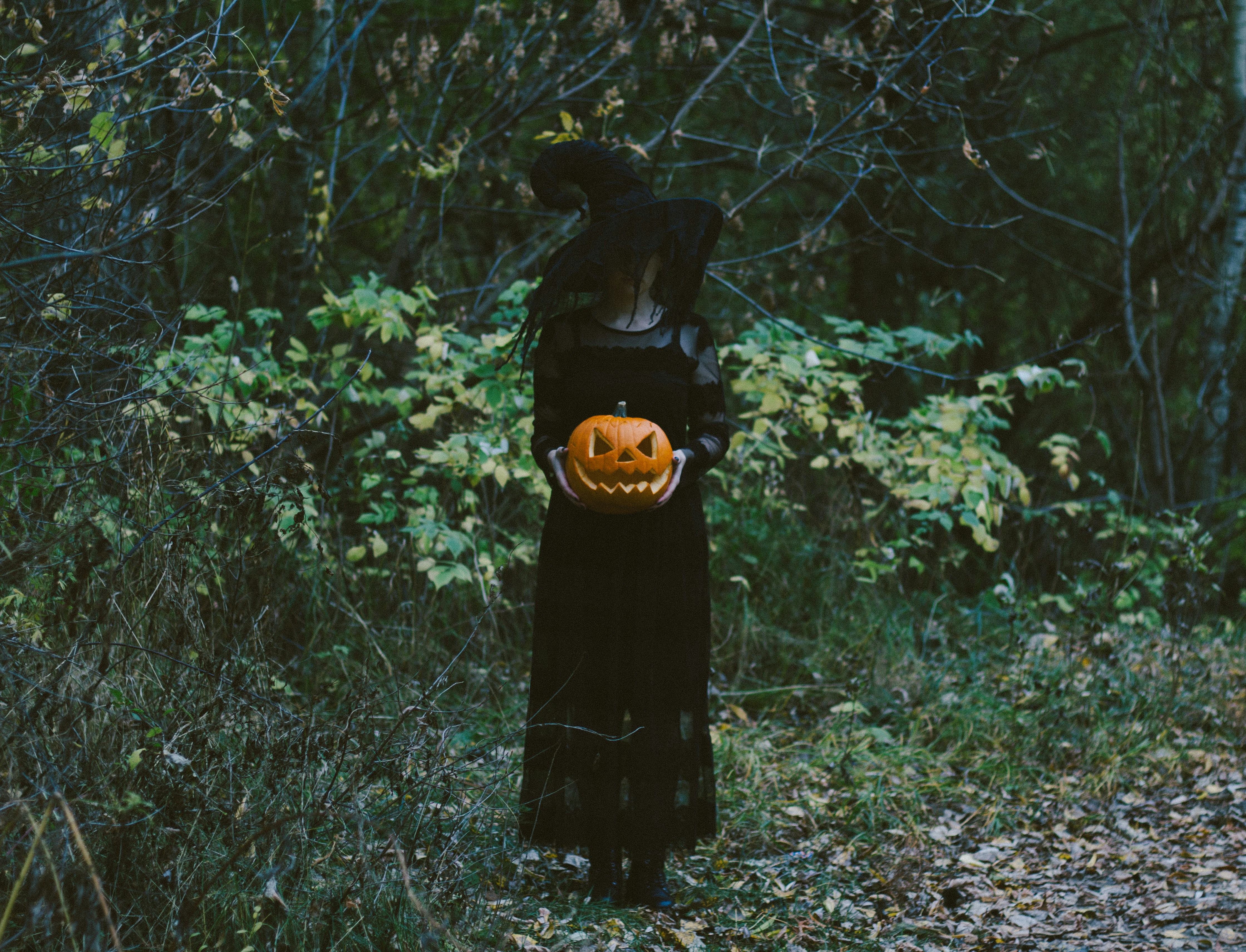
The Historical Roots of Witchcraft
The origins of witchcraft can be traced back to ancient civilizations where the practice was deeply intertwined with cultural and religious beliefs. Early records indicate that various societies, such as the Egyptians and Sumerians, relied on magical practices and rituals to communicate with deities and seek protection or favor. In these contexts, individuals perceived as having special abilities, often referred to as shamans or healers, played influential roles within their communities, providing a blend of physical and spiritual healing.
As civilizations evolved, so did the concept of witchcraft. The Greeks and Romans had their own interpretations of witches, often depicting them as female figures wielding supernatural powers. These cultural representations contributed to a dichotomous view of witches: they were both revered as wise women and feared as malevolent beings. The rise of organized religion, particularly Christianity, significantly impacted societal perceptions of witchcraft. Early Christian leaders frequently demonized pagan practices, labeling those who continued to engage in them as witches and practitioners of Satanic arts.
The medieval period marked a pivotal chapter in the history of witchcraft, as fear and suspicion towards witches escalated. Various societal factors, including political upheaval, famine, and disease, fostered an environment ripe for witch hunts. Religious institutions capitalized on these fears, promoting the belief that witches were in league with the devil. This led to infamous witch trials across Europe, resulting in the persecution and execution of countless individuals, predominantly women, accused of witchcraft.
In pre-Christian societies, however, witches were often seen as integral members of the community, acting as herbalists and spiritual advisors. The shift towards a more negative perception of witchcraft is largely due to historical misrepresentations and conflated associations with magic. Understanding these historical roots is essential for revisiting the narrative surrounding witches, allowing for a more nuanced view of their roles throughout history.
Famous Witch Trials and Their Impact
Throughout history, various witch trials have left an indelible mark on societies across the globe, shaping legal frameworks and cultural perceptions surrounding witchcraft. Among the most infamous of these trials are the Salem Witch Trials, which took place in colonial Massachusetts between 1692 and 1693. Driven by paranoia and a fervent belief in the supernatural, the trials led to the execution of 20 individuals, predominantly women, and serve as a sobering example of mass hysteria and its consequences. These trials were fueled by existing societal tensions, such as economic distress, fear of the unknown, and the struggle for individual power.
The legal environment during this period was particularly conducive to the prosecution of alleged witches. The use of spectral evidence—testimony that the spirit or specter of the accused was seen committing witchcraft—was permitted, which significantly undermined the principles of due process. This lack of objectives in legal proceedings resulted in many innocent lives being claimed, demonstrating the perilous intersection between law, fear, and societal norms. The societal paranoia prevalent during the Salem Witch Trials reflected a deeper, historical fear of both women’s independence and the unknown elements of nature that could not be controlled or understood.
Globally, witch hunts surged during the Early Modern Period, particularly in Europe, where thousands of suspected witches faced similar fates under inquisitorial systems. Countries like Germany, England, and France had their own notorious witch trials, establishing a pattern of scapegoating marginalized individuals in times of crisis. The psychological factors at play in these events—such as fear, suspicion, and the need for social cohesion—often exacerbated the hysteria. The outcome of these trials has led to a lasting legacy of skepticism toward witchcraft and a critical examination of human rights, invoking a reflection on the consequences of societal fear. Today, the historical witch trials serve as powerful reminders of the impact of collective anxiety on laws and cultural beliefs.
Modern-Day Perceptions of Witches
The contemporary understanding of witches has undergone significant transformation over the years, reflecting broader societal changes and a shift in cultural narratives. Historically depicted as malevolent figures, witches were often associated with fear and superstition. However, modern perceptions have evolved, largely influenced by pop culture, literature, and media portrayals that present witches in a more nuanced and positive light.
In movies and television shows, such as “Charmed” and “The Craft,” witches are frequently depicted not merely as villains but as strong, empowered women who wield their magical abilities for justice and empowerment. This modern portrayal contributes to a reimagined witch archetype, one that resonates with feminist ideals and the fight for women’s rights. By reclaiming the image of the witch, many women today celebrate witchcraft as a form of self-empowerment and an expression of individuality.
Moreover, the resurgence of interest in witchcraft practices—often referred to as the “Witch Movement”—has transformed the way society views this ancient practice. Many individuals are drawn to witchcraft not solely for its esoteric appeal but also for its spiritual significance. Modern witches often incorporate aspects of nature, herbalism, and mindfulness into their spiritual practices, making it a holistic approach to well-being. This revival can also be seen as a reaction against mainstream religions that some perceive as patriarchal, creating a space for personal exploration and empowerment through rituals and the veneration of feminine energies.
Additionally, social media has played a crucial role in reshaping perceptions of witchcraft. Platforms like Instagram and TikTok allow individuals to share their practices, experiences, and beliefs, fostering a community that celebrates diversity within witchcraft. This online presence has contributed to a broader acceptance of witchcraft in contemporary society, inviting people to explore their own connections to spirituality and magic.
Witchcraft as a Spiritual Practice
Witchcraft, as a contemporary spiritual practice, encompasses a diverse range of beliefs and rituals that resonate with various individuals seeking deeper spiritual connections and empowerment. One of the most recognized forms of witchcraft is Wicca, a modern Pagan religion that emphasizes harmony with nature, reverence for the divine, and the practice of rituals aligned with the cycles of the earth. Wiccans often celebrate festivals known as Sabbats, which correspond with seasonal changes and agricultural rites, fostering a profound connection to the landscape and its energies.
Eclectic witchcraft, another popular form, allows practitioners the flexibility to blend different spiritual traditions and practices. Individuals engaging in eclectic witchcraft typically draw from various sources, such as historical practices, folklore, and personal experiences, thereby creating a unique path that reflects their own beliefs and values. This personalization encourages a broad interpretation of witchcraft, enabling practitioners to align their rituals and spells with their individual spiritual journeys.
Folk magic also plays a significant role in witchcraft practices across different cultures, rooted in traditions passed down through generations. This can involve the use of herbs, charms, and rituals aiming to bring about specific intentions, such as healing or protection. Ethical considerations are crucial in these practices, often guided by the principle of “harm none,” which encourages practitioners to consider the impact of their actions on others and the world around them.
Additionally, the community aspect of modern witchcraft is vital for many practitioners. Witchcraft groups or covens provide a sense of belonging, allowing individuals to share experiences, knowledge, and support. This sense of community emphasizes collaboration and learning, making witchcraft not just a solitary pursuit but also a collective spiritual journey. The appeal of witchcraft lies in its ability to offer meaningful rituals and connections, empowering individuals to explore their spiritual paths.
Real-Life Stories: Witches Who Changed the World
The portrayal of witches has often been shrouded in myth and superstition. However, many individuals labeled as witches throughout history have played significant roles in shaping cultural narratives and contributing to various fields, from the arts to social activism. One of the most notable figures in this context is Gerald Gardner, a British civil servant and author credited with founding the modern Wiccan movement in the mid-20th century. Gardner’s work in promoting witchcraft as a legitimate spiritual practice laid the foundation for contemporary pagan traditions. Through the publication of his seminal book, “Witchcraft Today,” he not only brought visibility to witchcraft but also challenged the negative stereotypes associated with it.
In the realm of literature, J.K. Rowling, the famed author of the “Harry Potter” series, has had an outsized influence on the cultural perception of witches. Although Rowling’s portrayal of witches is fictional, it has captivated millions and sparked interest in various aspects of witchcraft and magic. The series presents a complex view of witches, showcasing their strengths, vulnerabilities, and moral dilemmas, which has contributed to a more nuanced understanding of witchcraft in popular culture.
Moreover, many contemporary activists have embraced the identity of witchcraft as a form of empowerment and social justice. Figures such as Amanda Yates Garcia, known as “The Oracle of Los Angeles,” advocate for the intersection of witchcraft and feminism, emphasizing the importance of reclaiming the witch label as a freeing force against patriarchal norms. These individuals demonstrate that witchcraft can serve as a vehicle for advocacy and personal empowerment, encouraging a reexamination of societal values surrounding women and their roles.
Through their contributions, these influential witches and those who identify with the witchcraft movement have transformed public perception, fostering a dialogue about power, agency, and the narratives that shape our world today. Their legacies remind us that witches indeed exist, not just in folklore but as real individuals who have left an indelible mark on society.
Witchcraft in Nature and Herbalism
Witchcraft has long been intertwined with the natural world, embodying a deep respect for the environment and a profound understanding of plant properties. Traditionally, witches are recognized as healers and herbalists, utilizing nature’s bounty to create remedies that benefit both body and spirit. This relationship underscores the significance of environmental consciousness and the sustainable use of resources in their practices.
Herbs play a crucial role in witchcraft, not merely as ingredients but as embodying distinct energies and magical properties. For instance, sage is revered for its cleansing abilities, used in rituals to purify spaces and promote healing. Lavender, with its soothing scent, is often employed to encourage relaxation and peace, making it a staple in healing rituals. These plants are not only valued for their medicinal properties but also for their association with spiritual practices, as their energies can be harnessed to enhance spells and rituals.
The use of natural remedies aligns with the core principles of witchcraft, which often embraces holistic approaches to health. Witches frequently rely on teas, tinctures, and formulations derived from various plants, treating ailments through natural means. This practice reflects the broader philosophy of living in harmony with nature, promoting a sustainable lifestyle that respects the earth’s resources. As modern society increasingly turns to herbalism for health solutions, the age-old wisdom of witches continues to surface, highlighting a renewed interest in the potential of plants.
Ultimately, the connection between witchcraft, nature, and herbalism is profound, emphasizing the need for appreciation and stewardship of the environment. Such practices not only preserve traditional knowledge but also inspire a deeper exploration into the benefits of utilizing natural resources, resonating with those who seek healing and harmony within their lives.
The Science Behind Witchcraft Phenomena
The realm of witchcraft, often shrouded in mystery and superstition, can also be analyzed through the lens of science. This approach provides a framework to understand the psychological and sociological dynamics that contribute to experiences often attributed to witchcraft. One of the most significant phenomena associated with such experiences is the placebo effect, where individuals report real changes in their physical or psychological state due to their beliefs. This remarkable ability of the mind to influence the body underlines how powerful belief systems can be, often leading to experiences that seem to defy scientific explanation.
Furthermore, human emotions play a crucial role in shaping our perceptions of reality. Emotions such as fear, anxiety, and even joy can heighten sensitivity to environmental stimuli, making individuals more receptive to phenomena they interpret as witchcraft. For instance, a person experiencing a profound emotional upheaval may attribute coincidental events to malevolent forces or magical influences rather than recognizing them as random occurrences. Such interpretations can create a feedback loop, reinforcing the belief in supernatural explanations.
Sociologically, the communal aspects surrounding witchcraft, such as shared beliefs and collective experiences, can also amplify the perceived validity of such phenomena. In tightly-knit communities, the social reinforcement of beliefs can lead to a stronger consensus on the existence of witchcraft, creating tangible experiences rooted in cultural frameworks. This interplay between collective belief and individual experience is critical in understanding how such phenomena persist across different societies and historical periods.
In conclusion, while witchcraft is often regarded as merely an element of folklore or superstition, its roots can be deeply embedded in the psychological and sociological aspects of human life. By examining the effects of belief, emotion, and social dynamics, we can appreciate the multifaceted nature of witchcraft phenomena and their significance in the human experience. This balanced view invites a richer understanding of how such beliefs endure, offering a bridge between the mystical and the rational.
Common Misconceptions About Witches
The portrayal of witches in popular culture has led to numerous misconceptions, often painting them as malevolent figures engaged in devil worship. This perception lacks foundation in the diverse practices of modern witchcraft, which encompass a range of beliefs and traditions. While historical accounts of witch trials often emphasized the idea of witches as evil beings, contemporary witchcraft is largely characterized by its emphasis on empowerment, healing, and harmony with nature.
One prevalent misconception is the association of witches with malicious intent. The stereotype of the ‘wicked witch’ often ignores the reality that many practitioners of witchcraft—as identified within traditions such as Wicca or Neopaganism—adhere to ethical codes that prioritize respect for others and the natural world. For example, the Wiccan Rede explicitly states, “An it harm none, do what ye will,” which underscores a commitment to personal responsibility and benevolence.
Furthermore, there is frequently a conflation of witchcraft with devil worship. In fact, many witches do not recognize the existence of a devil as traditionally described in Abrahamic religions. Instead, they may draw upon diverse spiritual philosophies that celebrate feminine energy, nature, and the interconnectedness of all living things. This disconnection between witchcraft and the worship of evil spirits reflects a broader misunderstanding shaped by centuries of persecution and bias.
Another misconception is the belief that all witches are the same and adhere to a singular set of beliefs or practices. In reality, witchcraft encompasses a broad spectrum of traditions, beliefs, and methodologies, from herbalism to divination, and from solitary practices to organized covens. Recognizing this diversity is essential for fostering an informed dialogue about what it means to be a witch today. By debunking these myths, we can begin to appreciate the rich tapestry of beliefs that make up the modern witchcraft movement.
Why You Should Explore Witchcraft Today
The realm of witchcraft has intrigued individuals for centuries, and its relevance continues to resonate in modern society. Exploring witchcraft is not merely about conjuring spells and ancient rituals; it encapsulates a journey of personal empowerment and self-discovery. Engaging with this practice allows individuals to embrace their spirituality, fostering a deeper understanding of their own intuition and inner strength. In a world often filled with chaos, witchcraft offers a structured way to reconnect with oneself and nurture one’s mental well-being.
Furthermore, witchcraft emphasizes a profound connection to nature. As practitioners often engage with natural elements, they cultivate a sense of awareness regarding the environment and the cycles of life. This connection can lead to a greater appreciation for ecological balance and encourage sustainable living practices. By adopting elements of witchcraft, individuals might find harmony in their surroundings, enhancing their overall lifestyle.
For those interested in delving deeper into witchcraft, numerous resources are available to facilitate this exploration. Several books on witchcraft provide foundational knowledge and practical guidance for beginners. Classic texts such as “The Witch’s Handbook” or “Wicca: A Guide for the Solitary Practitioner” offer insightful perspectives and rituals. In addition to literature, many online platforms and communities foster an inclusive environment for aspiring witches. Websites, forums, and social media groups dedicated to witchcraft provide ample opportunity to connect with like-minded individuals, partake in discussions, and share experiences.
Hence, whether one seeks personal empowerment, a connection to nature, or community engagement, witchcraft presents myriad benefits. As you embark on this journey, let your curiosity guide you, and explore the rich tapestry of practices that have captivated many throughout the ages. This exploration could be the key to unlocking new aspects of yourself.