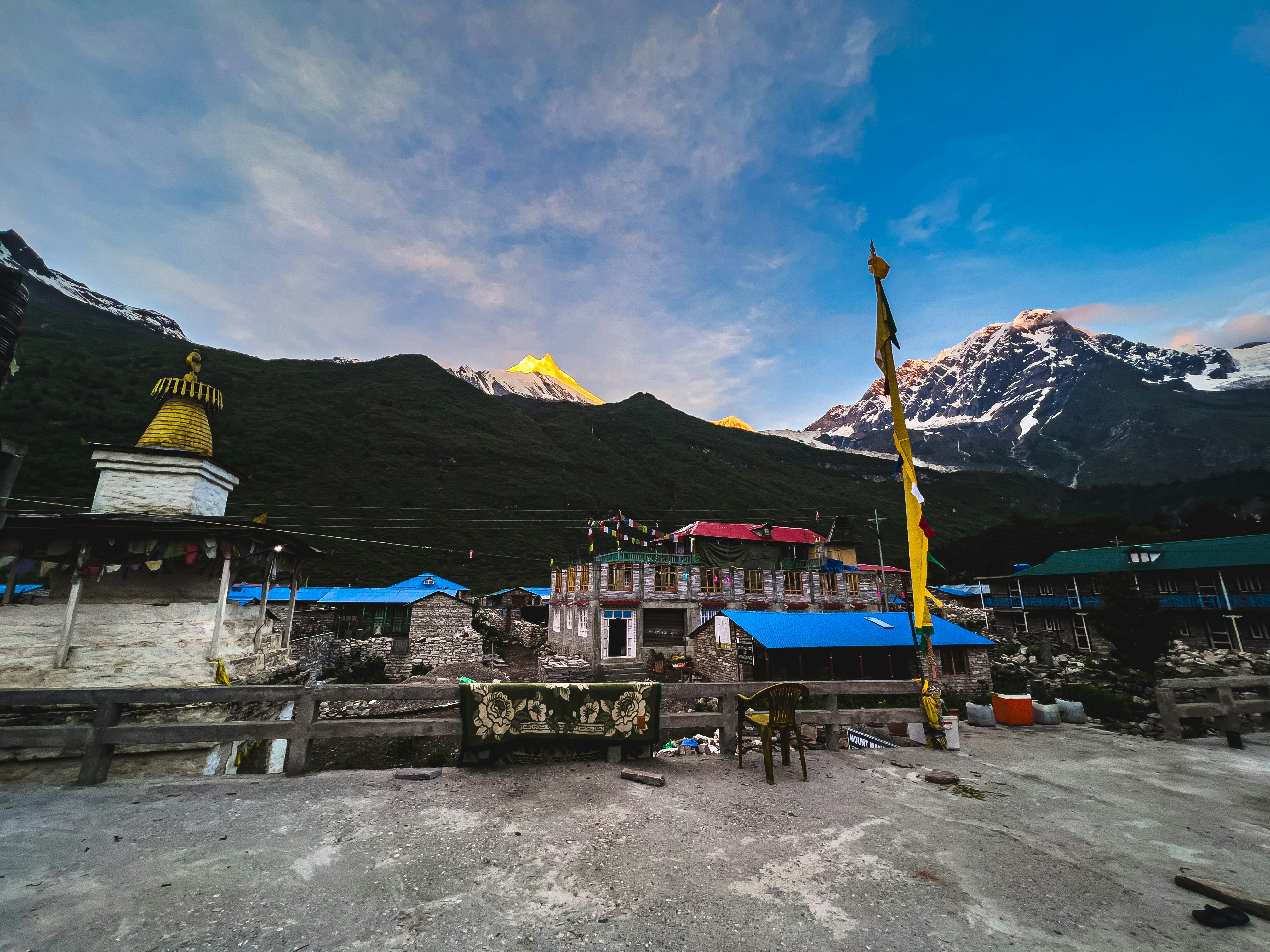
Introduction to Shambhala
Shambhala is a legendary and sacred land often depicted in spiritual literature and ancient texts as a place of tranquility, enlightenment, and profound wisdom. Rooted primarily in Tibetan Buddhist tradition, the myth of Shambhala is believed to have originated from a combination of existing cultural narratives and religious beliefs in the Himalayas. Its depiction varies across various spiritual traditions, not only in Buddhism but also in Hinduism and other mystical philosophies.
In Tibetan Buddhism, Shambhala is portrayed as a hidden kingdom, an ideal society governed by benevolent rulers known as the Kings of Shambhala. This land is said to be untouched by the materialism and strife that characterize the outer world. The teachings associated with Shambhala emphasize compassion, harmony, and the pursuit of spiritual awakening. Many believe that this legendary realm holds secrets to awakening the innate wisdom within every individual.
Additionally, Shambhala is often regarded as a symbol of hope, a place where humanity can reside in peace and understanding. It serves as a conceptual beacon, reminding adherents of the possibility of achieving inner peace through spiritual practice. The narratives surrounding Shambhala suggest that this mystical land will only be revealed to those with pure intentions and an earnest commitment to spiritual development.
Throughout history, Shambhala has inspired countless seekers and scholars drawn by its promise of enlightenment. Regardless of the specific cultural context, the concept of Shambhala transcends mere geographical representation; it embodies the ideals of a harmonious existence and the drive for self-realization. Thus, understanding the mythological origins and significance of Shambhala is essential for those interested in exploring its impact on spiritual practices and philosophies across different traditions.
Historical Context of Shambhala
Shambhala, often mythologized as a hidden paradise located in the Himalayas, features prominently in various ancient texts. Its earliest references can be traced to Hindu scriptures, notably the Mahabharata and the Bhagavata Purana, which describe it as a mystical place where righteousness prevails and enlightenment is attainable. The name itself is sometimes associated with terms meaning ‘place of peace’ or ‘land of bliss’, which emphasizes the underlying ideals of harmony and spiritual transcendence.
In Buddhist tradition, Shambhala is depicted as a spiritual kingdom that plays a vital role in prophesies related to the future of humanity. The Kalachakra Tantra is one of the most significant texts that elaborate on the teachings associated with Shambhala, portraying it not only as a physical locale but also as a metaphor for spiritual awakening. The accounts suggest that the inhabitants of Shambhala are enlightened beings who follow a path of altruism and wisdom, serving as guides for others on their journeys toward self-realization.
Over the centuries, interpretations of Shambhala have varied, with some seeing it as a literal location, while others regard it as a symbolic concept representing the pursuit of inner peace and enlightenment. Additionally, the exploration of Shambhala in Western literature, particularly during the 19th and 20th centuries, led to its integration into various esoteric traditions, thereby expanding its significance and allure across diverse cultures.
This rich historical context shapes the understanding of Shambhala today, positioning it as a source of inspiration for those seeking spiritual guidance. The evolving narrative reflects the continuing relevance of Shambhala’s teachings, serving as a reminder of the universal quest for truth and inner peace that transcends geographical and cultural barriers.
The Geography and Mystique of the Himalayas
The Himalayas, a colossal mountain range in Asia, are not only renowned for their stunning peaks, including the world’s highest, Mount Everest, but also for their profound cultural and spiritual significance. Spanning five countries—India, Nepal, Bhutan, Tibet, and Pakistan—this majestic range plays a pivotal role in the mystical lore surrounding the hidden land of Shambhala. Its formidable geology, characterized by steep ascents, deep valleys, and vast glaciers, adds to the allure and mystery of the region.
The sacred mountains of the Himalayas are revered by various spiritual traditions, who believe that their towering heights offer a gateway to the divine. Many peaks are associated with ancient legends and are considered to be the abodes of gods and enlightened beings. This intertwining of geography and spirituality is critical in understanding the legends of Shambhala, as it is often believed that this hidden realm lies beyond the physical mountains themselves, accessible only to those who are spiritually attuned.
In addition to the mountains, the numerous rivers that burst forth from the Himalayas, such as the Ganges and the Indus, are seen as life-giving forces, fostering the growth of cultures and civilizations along their banks. These rivers, along with the verdant valleys nestled between the towering peaks, create a landscape that is both awe-inspiring and serene, inviting seekers and wanderers to explore the deeper elements of existence.
The extraordinary diversity of flora and fauna within the Himalayas further enhances the mystical ambiance. Ancient forests, sacred groves, and rare wildlife contribute to the feeling of magic that pervades the region. Together, these geographical features construct not only a physical landscape but also a spiritual sanctuary, enhancing the legends of Shambhala as a realm of wisdom, peace, and ultimate truth.
Shambhala in Buddhism and Hinduism
Shambhala is a symbolically rich and spiritual concept within both Buddhism and Hinduism, representing an enlightened society that embodies compassion, wisdom, and peace. In Buddhism, particularly Tibetan Buddhism, Shambhala is often depicted as a mystical land situated in the Himalayas, accessible only to those who seek it with a pure heart. This land is not merely a physical location but is also viewed as a state of mind that reflects the deeper spiritual journey of awakening and enlightenment.
The revered texts of Buddhism, such as the Kalachakra Tantra, highlight Shambhala as a realm where highly advanced beings reside, serving as guides and protectors for aspiring practitioners. According to these teachings, it is believed that in times of turmoil, a future king known as the “Rigden Jyo” will emerge from Shambhala to restore harmony and peace to the world, embodying the values that both Buddhism and Tibetan culture hold dear.
On the other hand, Hinduism presents a different interpretation of Shambhala, often associating it with the mythological city of “Shambhalapura” mentioned in ancient texts such as the Puranas. Here, Shambhala represents a place of tranquility where spiritual seekers can attain knowledge and divine grace. The Hindu narratives emphasize the importance of righteous living and devotion, with Shambhala serving as a beacon of hope for those seeking spiritual advancement.
While the connotations of Shambhala in these two religions may differ in specifics, they similarly promote the idea of a sanctuary of enlightenment accessible through disciplined practice and devotion. Both Buddhism and Hinduism recognize the transformative power of this sacred land, reinforcing its pivotal role in the spiritual practices and beliefs of millions worldwide. The shared reverence for Shambhala highlights its importance as a bridge between these significant religious traditions, offering a unifying vision of compassion and wisdom.
The Path to Shambhala: Spiritual Practices and Teachings
The journey to Shambhala, a mystical realm purportedly hidden within the Himalayas, is often described as a spiritual path marked by profound practices and teachings. Practitioners of various traditions believe that understanding and experiencing Shambhala requires a deep commitment to meditation, rituals, and philosophical reflection. The essence of these spiritual practices lies in their ability to facilitate a transformative inner journey.
One of the primary meditative techniques utilized by seekers is the practice of mindfulness meditation. This method encourages individuals to cultivate awareness of the present moment, allowing thoughts and distractions to settle. In maintaining a focused and clear mind, practitioners often feel a closer connection to the sacred energies attributed to Shambhala. Alongside mindfulness meditation, visualization practices play an integral role, where practitioners may envision themselves within the peaceful landscapes of Shambhala, fostering a sense of belonging and spiritual clarity.
Rituals also hold significant importance on the path to Shambhala. These rituals, which may include prayer offerings or sacred chants, serve to align the spirit with the cosmic energies believed to be present in the countryside leading to Shambhala. Engaging in such practices is seen not only as a way of honoring the land but also as a means of connecting with the wisdom of spiritual teachers who have traversed this path before. Various traditions offer their own interpretations of these rituals, reflecting a rich tapestry of beliefs and practices.
Philosophical teachings relevant to Shambhala emphasize compassion, wisdom, and the pursuit of enlightenment. Influential spiritual teachers such as the Dalai Lama and various Tibetan Buddhism masters have expounded on the principles of Shambhala, highlighting that inner peace and harmony are prerequisites for experiencing its sacredness. By embodying these ideals, practitioners believe they can unlock their potential, ultimately leading them closer to the realization of Shambhala within their lives.
The Quest for Shambhala: Myths and Legends
The quest for Shambhala is steeped in a rich tapestry of myths and legends that have captivated the imagination of seekers throughout history. This mythical kingdom, often described as a land of peace, enlightenment, and eternal wisdom, is said to be hidden somewhere in the vast expanse of the Himalayas. Numerous stories recount the adventures of explorers and spiritual seekers who embarked on fervent journeys to uncover the mysteries of Shambhala.
One of the most notable accounts comes from the writings of the 20th-century explorer, Nicholas Roerich. His expeditions in the 1920s into the remote regions of Central Asia were inspired by the belief in Shambhala as a spiritual center. Roerich’s journey was not only a physical pursuit but also an intellectual and spiritual endeavor, as he sought to capture the essence of the mystical teachings he believed resided within the kingdom. His travels reinforced the notion that the path to Shambhala is not merely geographic but also deeply spiritual, intertwining the heart, mind, and body.
Another significant narrative involves the figure of the mythical King of Shambhala, who is often depicted as guarding the sacred knowledge and enlightenment that the kingdom represents. Legends across various cultures describe how this king would only reveal Shambhala to those of pure heart and strong determination. Thus, the journey to Shambhala is symbolic of a deeper quest for personal transformation and growth. Seekers are encouraged to reflect on their intentions and inner purity, suggesting that the essence of Shambhala lies within the individual rather than in a physical location.
Explorers, ascetics, and spiritual instructors alike have contributed to the rich lore surrounding Shambhala, each adding their unique perspectives and insights. The amalgamation of these myths serves as an encouragement for ongoing exploration, both externally in the world and internally within oneself, as the legend of Shambhala continues to inspire countless individuals on their quests for understanding and enlightenment.
Modern Spirituality and Shambhala
The concept of Shambhala has recently gained traction within modern spiritual movements, becoming a beacon for contemporary seekers who are searching for deeper meaning in their lives. As society grapples with rapid changes and challenges, many individuals turn to Shambhala as a source of wisdom and guidance. This ancient notion of a mythical kingdom embodies ideals of peace, compassion, and enlightenment, making it particularly appealing in today’s fast-paced world.
Shambhala teachings offer a framework that resonates with individuals interested in fostering a sense of community, personal transformation, and spiritual awakening. The emphasis on mindfulness and inner peace found in Shambhala is compatible with various Eastern philosophies, which have seen a marked rise in interest in the West. As Western practitioners increasingly integrate these Eastern teachings into their spiritual practices, Shambhala stands out as a significant influence.
Moreover, Shambhala has been embraced by many contemporary spiritual leaders who advocate for a synthesis of various traditions. This blending approach facilitates dialogue among diverse faiths, allowing modern practitioners to draw from a rich tapestry of spiritual wisdom. In doing so, seekers can find relatable teachings that are applicable to their everyday lives, promoting well-being and resilience.
The engagement with Shambhala concepts also reflects a broader trend towards finding spirituality in personal experience rather than institutionalized religion. This development marks a shift in how spirituality is perceived and practiced, making Shambhala teachings essential tools for navigating modern complexities. By connecting with Shambhala, individuals can cultivate a deeper sense of their spiritual identity while remaining grounded in the realities of contemporary life.
Challenges and Misinterpretations of Shambhala
Shambhala, often portrayed as a mythical land filled with wisdom and enlightenment, has become a subject of extensive discussion and, unfortunately, some misinterpretation. One of the significant challenges surrounding the concept of Shambhala stems from its commercialization. In contemporary society, various products and services, including meditation retreats, jewelry, and wellness programs, have adopted the Shambhala nomenclature in pursuit of economic gain. This commodification dilutes the original significance of Shambhala, transforming it from a sacred spiritual domain into a mere marketing tool.
Another pressing issue is the cultural appropriation associated with the term. As Shambhala has been embraced in Western spiritual practices, there is a tendency to detach it from its rich Tibetan Buddhist roots. The cultural essence and historical context are often overlooked or misrepresented, which can lead to a superficial understanding. This appropriation raises ethical concerns regarding the respectful representation and integration of other cultures, particularly in spiritual contexts. It is imperative to approach Shambhala with a sense of cultural sensitivity and awareness, recognizing the depth and complexity of its origins.
Moreover, misinterpretations of Shambhala can lead to unrealistic expectations about spiritual practices and personal growth. Some individuals may expect immediate enlightenment or transformative experiences, overlooking the discipline and dedication required in genuine spiritual journeys. Thus, a respectful engagement with Shambhala teachings is essential, focusing on the cultivation of genuine understanding rather than superficial interpretations. Authenticity in spiritual pursuits fosters deeper connections to teachings and provides a more rewarding experience.
Through thoughtful engagement, individuals can appreciate Shambhala not merely as an exotic idea but as a profound part of human spiritual heritage, encouraging healthy and meaningful exploration of its teachings.
Conclusion: The Lasting Impact of Shambhala
Throughout the exploration of Shambhala, we have delved into the profound teachings and the cultural significance of this sacred land in the Himalayas. Shambhala is not merely a mythical place; it embodies a rich tradition that inspires individuals towards peace, wisdom, and spiritual awakening. At the heart of Shambhala teachings lies the belief that every person possesses the potential for enlightenment and the capacity to bring about positive change in the world.
The teachings of Shambhala emphasize the importance of mindfulness, compassion, and the pursuit of inner clarity. This spiritual framework encourages adherents to cultivate a deeper connection with themselves and others, fostering an environment where harmony can thrive. As individuals engage with these principles, they often experience transformative shifts in their perspectives and behaviors, cultivating a sense of purpose and belonging.
Moreover, the impact of Shambhala extends beyond personal enlightenment; it encourages a collective responsibility towards creating a compassionate and just society. The wisdom imparted by Shambhala teachings serves as a guiding light for individuals seeking deeper meaning in their lives, prompting them to act with integrity and consideration for the well-being of others.
In conclusion, the teachings of Shambhala resonate deeply in a world often fraught with conflict and division. By embodying the principles rooted in this sacred land, individuals can contribute to a more peaceful and understanding society. Ultimately, Shambhala inspires a continual journey towards self-discovery and collective harmony, reminding us that the path to enlightenment is one that can be undertaken by all, irrespective of their background or circumstances.