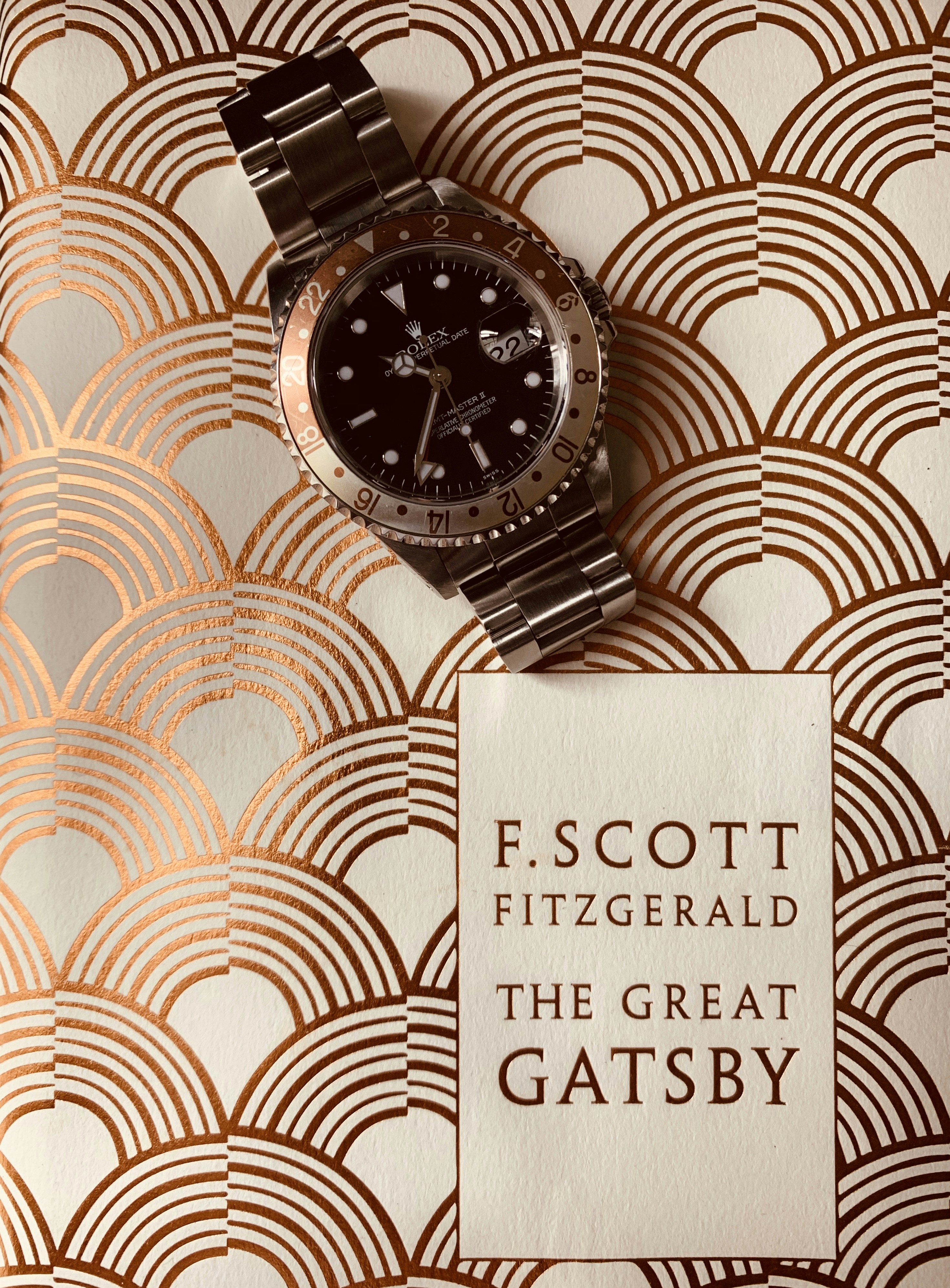
Introduction to The Great Gatsby
Published in 1925, F. Scott Fitzgerald’s The Great Gatsby is often hailed as one of the quintessential American novels. Set against the backdrop of the Roaring Twenties, the book captures the essence of the era characterized by jazz music, lavish parties, and an insatiable pursuit of wealth. Despite its initial lukewarm reception, The Great Gatsby has undergone a remarkable transformation in cultural significance, positioning itself as a symbol of the decadence and moral ambiguity of the Jazz Age. The novel provides a critical lens through which the aspirations and disillusionments of the American Dream are examined.
At its core, The Great Gatsby explores themes of wealth, identity, and social class, contributing to its reputation as a misunderstood masterpiece. The enigmatic character of Jay Gatsby, whose lavish lifestyle is juxtaposed with profound loneliness, serves as a vehicle for Fitzgerald to comment on the societal values of the time. Gatsby’s relentless quest for love and acceptance, particularly through his ambition to reclaim the past with Daisy Buchanan, raises questions about the authenticity of the American Dream. This interplay between aspiration and reality resonates with readers, yet is often misinterpreted or oversimplified.
The novel’s misinterpretation is prevalent in its treatment as merely a romantic story adorned with imagery of wealth. Critics argue that this perspective overlooks the deep-seated social critique embedded within its pages. The Great Gatsby is not just a depiction of glamorous lifestyles; it is a cautionary tale about the emptiness that can accompany the pursuit of material success. The convoluted relationships between the characters further disrupt conventional narratives, leaving readers to grapple with the complexities of human emotions and societal expectations. Through a closer examination of the text, it becomes evident that the misunderstanding surrounding this novel is intrinsic to its profound commentary on American culture.
The Illusion of the Jazz Age
The Great Gatsby serves as a quintessential representation of the Jazz Age, a period characterized by its cultural dynamism, excess, and social upheaval in the 1920s. This novel intricately weaves together elements of post-World War I disillusionment, the roaring prosperity, and the fervent desire for the American Dream. F. Scott Fitzgerald captures this era through his characters and their lavish lifestyles, reflecting the societal transformations that took place during this time. The characters, including Jay Gatsby, Daisy Buchanan, and Tom Buchanan, epitomize the contradictions of the Jazz Age – the allure of wealth alongside moral decay.
The Jazz Age was marked by a surge in wealth and a noteworthy shift in social norms, particularly among the upper echelons of society. Fitzgerald’s depiction of opulent parties at Gatsby’s mansion serves as a microcosm of this exuberance, portraying an environment where the citizens indulged in hedonistic pleasures, seemingly disconnected from the underlying emptiness of their pursuits. The wild jazz music, extravagant fashion, and glamorous lifestyles symbolize a break from tradition, showcasing a generation eager to embrace modernity at any cost. Yet, this revelry conceals a deeper malaise, as illustrated by the novel’s tragic outcomes.
Moreover, the characters’ pursuits of love and ambition are often overshadowed by their relentless chase for materialism, leading to their ultimate disenchantment. The disillusionment of Gatsby, who painstakingly accumulates wealth to win Daisy’s affection, reveals the futility of equating financial success with personal fulfillment. Through its allegorical depth, The Great Gatsby critiques not only the American Dream but also the cultural motivations that defined the Jazz Age, ultimately portraying a society that struggled with its identity amid dazzling illusions. This novel remains a poignant reflection of the era’s complexities, inviting readers to understand the layered meanings behind Fitzgerald’s portrayal of wealth, excess, and aspiration.
Jay Gatsby: More than a Party Host
Jay Gatsby, the enigmatic protagonist of F. Scott Fitzgerald’s “The Great Gatsby,” is often perceived primarily as a flamboyant party host, reveling in opulence and extravagant festivities. However, this narrow viewpoint overlooks the complex layers of his character, which embody the profound themes of aspiration, disillusionment, and the dark realities lurking behind the glamorous façade of the American Dream. Born James Gatz to humble beginnings in North Dakota, Gatsby’s transformation into the wealthy and influential figure he becomes is fueled by an intense desire to redefine himself and escape his past. Through sheer determination and ambition, he reinvents his identity and immerses himself in the high society of West Egg, yet it is this very ambition that propels him into morally ambiguous territories.
At the heart of Gatsby’s story lies his unyielding obsession with Daisy Buchanan, the woman he idolizes and associates with his dreams of wealth and success. His love for her transcends mere infatuation; it becomes the driving force of his existence. Gatsby’s pursuit of Daisy represents both a personal longing and a symbolic quest for social acceptance and validation. Throughout the novel, his lavish parties serve as a means of attracting her attention, yet they also illuminate the emptiness of his social milieu. The guests—more interested in the spectacle than in Gatsby himself—highlight the isolation he faces despite his apparent success.
Moreover, Gatsby’s involvement in crime, particularly through bootlegging, reveals a darker side of his character that starkly contrasts with his romantic ideals. This duality raises critical questions about morality, ambition, and the American Dream itself. Gatsby is a tragic figure; his relentless pursuit of an idealized past only leads to his ultimate downfall. Thus, understanding Jay Gatsby requires an appreciation of his multifaceted identity—his aspirations, vulnerabilities, and the societal forces that shape his destiny, making him one of literature’s most thought-provoking characters.
Misinterpretations of Gatsby in Pop Culture
The portrayal of Jay Gatsby in popular culture has undergone significant transformation since the publication of F. Scott Fitzgerald’s novel in 1925. Over the decades, various adaptations and representations have affected how audiences perceive this iconic character and the themes he embodies. A recurring trend in these adaptations is the romanticized image of Gatsby as the epitome of the American Dream, often overshadowing the underlying critiques that Fitzgerald embedded within the narrative. Consequently, many viewers are left with a limited understanding of Gatsby as a tragic figure caught in the throes of wealth and unfulfilled aspirations.
In film adaptations, such as the 1974 version starring Robert Redford and the more recent 2013 adaptation featuring Leonardo DiCaprio, Gatsby is often depicted through a glamorous lens, focusing on his extravagant parties and lavish lifestyle. These features dominate the public’s perception, leading to a widespread misinterpretation that equates Gatsby’s wealth with success and happiness. This image tends to reinforce consumerist ideals prevalent in modern society, diverting attention from the critical commentary on materialism and moral decay that Fitzgerald intended.
Moreover, the commercialization of Gatsby’s character has permeated various forms of media, transforming him into a symbol of aspiration for some and a cautionary tale for others. Merchandise, marketing campaigns, and even fashion trends label Gatsby’s life as an aspirational blueprint, reinforcing the notion that material riches equate to fulfillment. This superficial understanding undermines the complexity of Fitzgerald’s work, which delves into the emptiness that often accompanies such pursuits, a core aspect of the novel that is frequently overlooked in contemporary dialogues.
Ultimately, the evolution of Jay Gatsby’s image in popular culture underscores the necessity of reevaluating the narrative’s profound themes. To understand the most misunderstood novel fully, one must look beyond the glitz and glamour and recognize the critique of the American Dream that resides at its heart.
Fitzgerald’s Critique of the American Dream
F. Scott Fitzgerald’s The Great Gatsby serves as a profound exploration of the American Dream, depicting a society that is both enamored with and ensnared by its promises. Central to Fitzgerald’s narrative is the character of Jay Gatsby, whose relentless pursuit of wealth and status embodies the idealized notion of the American Dream. However, the novel, through its vivid imagery and intricate character development, reveals the inherent pitfalls of this aspiration, suggesting a deeper critique of the very dream that so many hold dear.
Gatsby is portrayed as a self-made man, having risen from humble beginnings to amass great wealth in an effort to win over his lost love, Daisy Buchanan. This pursuit highlights the seductive nature of wealth and the lengths to which individuals will go to attain it. Fitzgerald illustrates that the dream itself is not merely about financial success but is intricately connected to one’s identity and social standing. However, Gatsby’s tragic failure to achieve genuine happiness underscores the hollowness of his pursuits, illuminating the illusion woven into the fabric of the American Dream. As the narrative unfolds, it becomes evident that the wealth Gatsby acquires does not confer the respect or love he seeks, highlighting the disillusionment that often accompanies the dog’s chase for affluence.
Moreover, Fitzgerald introduces characters like Tom Buchanan, who exemplify the darker side of wealth—entitlement, moral decay, and a disregard for the lives of others. This contrast serves to illustrate that success in monetary terms can often lead to ethical blindness and interpersonal disconnect. Through these complex character dynamics, Fitzgerald critiques the societal values that glorify wealth and status while simultaneously revealing the personal desolation that may stem from their relentless pursuit. Such nuanced commentary positions The Great Gatsby as a significant literary examination of the complexities surrounding the American Dream, ultimately showing that aspiration can sometimes transform into a pitfall rather than a pathway to fulfillment.
The Role of Women in The Great Gatsby
F. Scott Fitzgerald’s “The Great Gatsby” is often regarded as a profound commentary on the American Dream, but equally significant is the portrayal of women, particularly through the characters of Daisy Buchanan and Jordan Baker. Set against the backdrop of the 1920s, a transformative era for female identity, these characters embody the societal attitudes and expectations of their time. Daisy, for instance, represents the quintessential flapper stereotype: glamorous, yet fundamentally trapped by her social circumstances and the expectations placed upon her by a patriarchal society.
Daisy’s character reflects the conflicting ideals of femininity during the Jazz Age. She is depicted as both enchanting and superficial, illustrating the limitations placed on women. While she enjoys the privileges of wealth and beauty, her ultimate desire for security compels her to remain in an unfulfilling marriage with Tom Buchanan, who is emblematic of male dominance. Through Daisy, Fitzgerald critiques the notion that women’s aspirations were often subverted by societal norms, leading them to prioritize marital status over personal fulfillment.
In contrast, Jordan Baker embodies a more modern approach to femininity, portraying a sense of independence and ambition. As a professional golfer, she challenges traditional gender roles, yet her character is shrouded in ambiguity, reflecting both the opportunities and moral complexities faced by women in the 1920s. Though she exhibits a sense of agency, Jordan is also depicted as morally dubious, suggesting that the burgeoning freedom for women came at a cost of ethical compromise.
The roles of Daisy and Jordan ultimately showcase the dichotomy of women’s experiences in this era. While “The Great Gatsby” is often seen as a male-centric narrative, the depth and complexity of its female characters reveal much about the struggles and constraints women faced in the tumultuous environment of the 1920s, making the novel one of the most misunderstood explorations of gender in American literature.
The Symbolism of Gatsby’s Parties
In F. Scott Fitzgerald’s seminal work, “The Great Gatsby,” the extravagant parties hosted by Jay Gatsby serve as a critical reflection of the Roaring Twenties, a period characterized by opulence and social upheaval. These gatherings, filled with music, dancing, and a diverse array of guests, symbolize both the allure and emptiness of the era, demonstrating the stark contrast between genuine human connection and superficial revelry. The atmosphere at these parties offers a vivid tableau of the Jazz Age, an age where prosperity often masked deeper societal issues.
Despite their extravagance, Gatsby’s parties illustrate the transient nature of wealth and the inherent loneliness that often accompanies such abundance. Guests arrive in droves, yet they often remain strangers to one another and to Gatsby himself. The opulence creates a façade of joy and excitement; however, it becomes evident that this surface-level happiness is underpinned by isolation and dissatisfaction. Gatsby, in particular, epitomizes this isolation, as his extravagant efforts to impress others do not lead to genuine relationships or fulfillment. This paradox highlights the emptiness of the American Dream, questioning whether wealth truly equates to happiness.
The parties also serve as a critique of the societal norms during the Jazz Age. While they attract a variety of people from different walks of life, the lack of meaningful interaction among the guests underscores the superficial nature of their connections. The sheer scale of these celebrations acts as a critique of how the pursuit of material wealth overshadowed authentic relationships in this vibrant yet hollow society. In essence, Gatsby’s parties encapsulate the dynamics of an era where appearances mask profound dissatisfaction, reflecting the intricate layers of meaning in “The Great Gatsby.” Ultimately, these gatherings reveal the struggles of a society grappling with the dichotomy between aspiration and reality.
Gatsby’s Tragic End: A Reflection on Ambition
The conclusion of “The Great Gatsby” marks a sobering end to Jay Gatsby’s ambitious pursuits, encapsulating the futility of his dreams and the tragic consequences of relentless ambition. Gatsby, the enigmatic figure who builds his life around a singular vision of securing love and acceptance, ultimately faces a violent demise, underscoring the peril that accompanies the unyielding quest for unattainable ideals. His idealism leads to a false sense of reality, as he continuously shapes his life around the past and his obsession with Daisy Buchanan, a vision that ultimately eludes him.
The violent nature of Gatsby’s end serves as a stark portrayal of how ambition, when misdirected, can lead to destruction. Despite his wealth and the extravagant lifestyle he cultivates, Gatsby remains profoundly isolated, illustrating the irony that accompanies the American Dream. His tragic conclusion reflects the broader societal commentary woven throughout the narrative—highlighting the disillusionment faced by those who chase dreams constructed on shallow foundations. This theme resonates deeply within the context of the 1920s, a decade characterized by materialism and moral ambiguity, leading many to question what truly constitutes success and fulfillment.
Furthermore, the behavior of the characters surrounding Gatsby, particularly Tom Buchanan and Daisy, accentuates the futility of his dreams. They embody a world that vacillates between privilege and carelessness, emphasizing Gatsby’s outsider status and the illusion of belonging. As we reflect on Gatsby’s tragic end, it becomes evident that Fitzgerald uses this narrative to illustrate the inherent dangers of ambition unsupported by ethical grounding or genuine connection. In this sense, Gatsby’s demise serves not only as a personal tragedy but as a broader indictment of the societal values that foster such disillusionment.
Conclusion: Rediscovering The Great Gatsby
The Great Gatsby, often regarded as one of the most misunderstood novels in the literary canon, invites readers to delve deeper into its intricate narrative and thematic layers. This blog post explored various perspectives on F. Scott Fitzgerald’s celebrated work, highlighting the complexities that stretch far beyond the surface allure of wealth and glamour. Many interpretations have emerged, suggesting that readers frequently overlook the profound social criticism embedded in the story.
Through this exploration, it has become evident that The Great Gatsby serves not only as a depiction of the Jazz Age but also as a poignant critique of the American Dream. The pursuit of wealth and status is portrayed as a hollow endeavor, ultimately leading to disillusionment. Jay Gatsby, the enigmatic titular character, embodies this pursuit, yet his tragic fate urges readers to question the true nature of success and fulfillment. This revelation encourages a critical reassessment of the novel, suggesting that its layers of meaning warrant further examination.
Equipped with insights from the analysis of character motivations, symbols, and historical context, readers are urged to revisit The Great Gatsby with fresh eyes. By looking past the glittering facade, one can appreciate the thematic richness and emotional depth that Fitzgerald masterfully weaves into the narrative. In recognizing the complexities of love, loss, and identity, readers can cultivate a more profound understanding of not only Fitzgerald’s intentions but also the societal commentary that resonates even today. Therefore, as we close this discussion, let us embrace the invitation to rediscover The Great Gatsby, engaging with it as a timeless reflection of the human experience, rather than merely as the world’s most misunderstood novel.