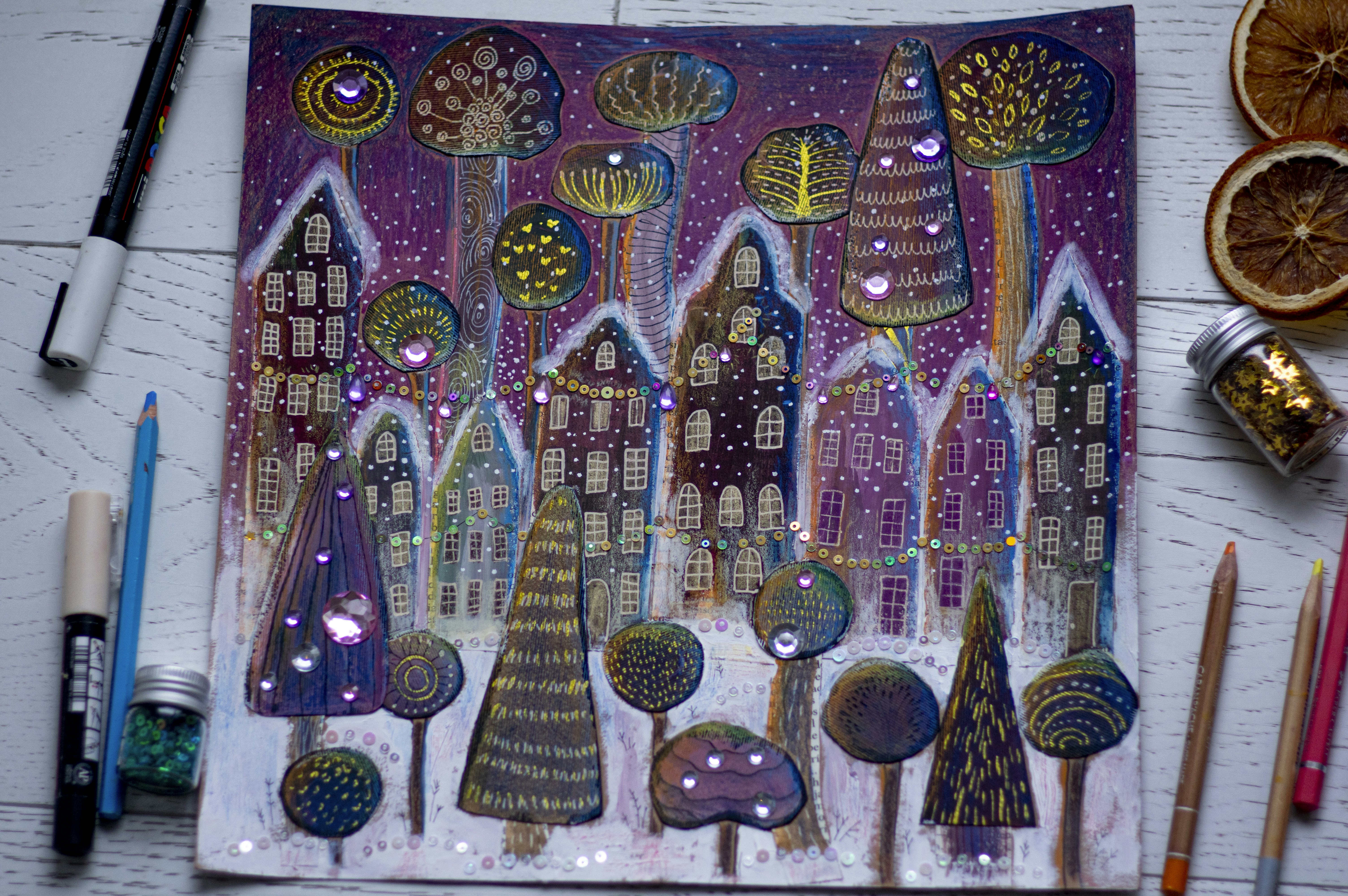
Introduction to Fantasy Backgrounds
Fantasy backgrounds serve as essential elements in art, particularly within the realms of storytelling and world-building. These captivating settings differentiate themselves from traditional landscapes by immersing viewers in imaginative environments that do not necessarily adhere to the laws of nature or reality. In the realm of fantasy art, backgrounds play a pivotal role by establishing mood, context, and a sense of place, which can significantly enhance the narrative of a piece.
Unlike realistic landscapes that prioritize accuracy and proportion, fantasy backgrounds invite artists to experiment with vivid colors, unusual textures, and surreal elements. The creative potential is boundless, as artists can incorporate ethereal forests, towering mountains shaped like mythical creatures, or cities suspended in the sky. Each scene can evoke emotions and tell a story, allowing viewers to engage with and interpret the artwork on multiple levels. This imaginative aspect is what makes fantasy backgrounds not just decorations but integral components that can elevate the entire composition.
For beginners, the prospect of creating fantasy backgrounds may seem daunting; however, it is vital to embrace exploration and experimentation. By tapping into one’s creativity and using various techniques, artists can discover a distinct style that resonates with them. Seeking inspiration from literature, mythology, or even personal experiences can lead to innovative ideas that enrich the art-making process. As we delve deeper into this guide, newcomers will find practical tips to build their skills further and create enchanting backdrops that enhance their fantasy art. Through this journey, artists will uncover the significance of fantasy backgrounds, ultimately aiding in the development of their unique artistic voice.
Understanding the Basics of Composition
Composition forms the backbone of any visual artwork, including fantasy backgrounds. One critical principle is the rule of thirds, which entails dividing the image into a grid of nine equal parts through two vertical and two horizontal lines. By placing focal points along these lines or at their intersections, artists can create more engaging and balanced compositions that draw viewers’ attention effectively. This technique is particularly useful in fantasy art, where unique elements need to stand out amidst elaborate landscapes.
Another essential guideline is the use of leading lines. These are lines that lead the viewer’s eyes through the piece, guiding them toward the focal points. In fantasy backgrounds, leading lines can be created through elements like winding paths, rivers, or structures that zigzag through the landscape. These lines not only help in directing attention but also encourage the viewer to journey through the artwork, experiencing the fantasy world as intended. Utilizing these leading lines enhances the depth and narrative within the piece.
Balance is another pivotal aspect of composition, which can be achieved through symmetry or asymmetry. Symmetrical compositions tend to convey stability and order, while asymmetrical compositions provide a sense of dynamism and interest. In fantasy backgrounds, artists can leverage the placement of characters, elements, and colors to establish a balanced view that feels complete. Color balance also plays a critical role; contrasting colors can highlight focal points while more muted tones can recede background elements.
In addition to these techniques, establishing a clear focal point is paramount. This is where viewers’ eyes should naturally land when they first view the artwork. By skillfully applying these composition principles—rule of thirds, leading lines, balance, and focal points—artists can construct visually compelling fantasy backgrounds that captivate and engage the audience.
Exploring Color Theory for Fantasy Settings
Color theory plays a vital role in drawing compelling fantasy backgrounds, as it helps artists establish mood and convey emotion effectively. At its core, color theory involves the study of colors and the relationships between them, often represented through the color wheel. Understanding the wheel enables artists to recognize primary, secondary, and tertiary colors and how these colors interact. This knowledge is crucial when creating a harmonious color palette for your artwork.
One of the fundamental concepts in color theory is that of complementary colors. These are pairs of colors that, when combined, cancel each other out, producing a grayscale color. On the color wheel, complementary colors are directly opposite each other. By using complementary colors, artists can create vibrant contrasts in their fantasy backgrounds. For instance, the dynamic pairing of blue and orange can evoke a sense of excitement, capturing the viewer’s attention. In contrast, analogous colors, which sit next to each other on the color wheel, create a more serene and cohesive appearance. This approach can effectively set the mood in the background, whether it be enchanting or foreboding.
When selecting a color palette, consider the emotional implications of your chosen colors. Warm colors like reds and yellows can instill feelings of energy and warmth, while cooler colors such as greens and blues can convey tranquility or melancholy. Additionally, the use of desaturated tones can suggest a sense of mystery or nostalgia, enhancing the atmosphere of fantasy settings. As you experiment and refine your color palette, keep in mind how different color harmonies can influence the tone and theme you wish to portray. Ultimately, by mastering the principles of color theory, you can create visually striking backgrounds that complement and amplify the narrative of your fantasy artwork.
Incorporating Elements of Nature
When drawing fantasy backgrounds, incorporating elements of nature is essential for creating immersive and captivating scenes. Elements such as forests, mountains, rivers, and skies play a significant role in establishing the atmosphere and setting. To begin, one should focus on the various components of each natural element. For instance, when depicting a forest, consider the types of trees that would populate this imaginary world. Are they towering and ancient, or are they bizarre with peculiar shapes? Adding unusual flora enhances the uniqueness of the environment and captivates the viewer’s imagination.
Next, mountains can serve as dramatic backdrops that contribute to the narrative of the piece. When drawing mountains, attention should be given to the texture of the rocky surfaces and the gradient of color as the peaks ascend into the sky. Shadows and highlights can create depth, making them appear more three-dimensional. Additionally, consider adding fantasy creatures roaming the mountain ridges or hidden valleys that invite exploration.
Rivers and water features are equally important in crafting dynamic backgrounds. Water can reflect the environment, delivering a sense of harmony or tension depending on its depiction. Experimenting with different shades of blue or green can convey various moods, while reflecting the unique flora found around the riverbanks elevates the visual interest. Moreover, the skies provide a canvas to evoke emotions; swirling clouds or a blaze of sunset colors can set the scene for drama or tranquility. Adding imaginative aspects like floating islands or celestial bodies can further enrich the fantasy setting.
Detail and texture are paramount when creating these elements. Realism is achieved through intricate lines and a thoughtful application of color. By thoughtfully integrating elements of nature, artists enhance their fantasy backgrounds, crafting vivid worlds that stir the imagination.
Using Perspective Techniques
Perspective drawing is an essential technique for artists wishing to create depth and realism in their backgrounds, especially within fantasy realms. Understanding the principles of one-point and two-point perspectives can significantly enhance the visual appeal of your artwork. These methods are not only versatile but also vital in constructing believable landscapes and architecture that draw the viewer into the scene.
One-point perspective is characterized by a single vanishing point on the horizon line. This technique is particularly effective when depicting roads, railways, or interiors that recede into the distance. For instance, if you envision a vibrant fantasy village, positioning a cobblestone path leading into the scene with one-point perspective can guide the viewer’s eye towards the horizon, creating a strong sense of depth. It is recommended to practice sketching simple objects like boxes or rooms using this technique to develop a better grasp of spatial relationships.
On the other hand, two-point perspective expands the spatial complexity by introducing two vanishing points on the horizon line. This approach is ideal for rendering angular objects, such as buildings or mountainous terrains. Implementing two-point perspective can evoke a more dramatic and immersive environment, as one might encounter in grandiose castles or imposing cliffs. To master this technique, beginners can start with simple geometric shapes, then progress to more intricate structures while maintaining consistency in angles and proportions.
To effectively use perspective in fantasy backgrounds, regular practice is essential. Experimenting with various scenes and adjusting the vanishing points will enable artists to refine their skills over time. By incorporating perspective techniques, one can create dynamic and believable backgrounds that enhance the narrative within fantasy artworks, ultimately making them more engaging for the audience.
Incorporating Fantasy Architecture into Backgrounds
When creating captivating fantasy backgrounds, the introduction of fantastical architecture plays a significant role in enriching the overall environment. Fantasy architecture differs markedly from conventional designs, as it allows for an imaginative and dreamlike quality that can add a unique touch to your scenes. To start incorporating these elements, consider familiar structures such as castles, temples, and mythical buildings, and think about how they can be enhanced with exaggerated features or unusual materials.
Begin by exploring various architectural styles from different cultures, such as Gothic, Baroque, or even ancient civilizations. For instance, a castle may incorporate towering spires reminiscent of Gothic cathedrals but adorned with whimsical, ethereal embellishments like floating light sources or vines of glowing flowers. This approach not only creates a striking visual but also grounds the fantastical elements in real-world references, making them more relatable.
Pay close attention to the details. Consider what materials are present, such as crystalline walls that shimmer in sunlight or ancient stones covered in luminescent moss. These details can provide depth and help transport viewers to the world you’ve constructed. Utilize a variety of architectural elements such as arches, turrets, and balconies to enhance the complexity of your structures. Each unique feature can serve to create points of interest within the background, inviting the viewer’s eye to explore the scene further.
Moreover, consider the placement of these buildings within the landscape. Integrating your structures into the environment by incorporating elements like waterfalls cascading down the sides of a castle or trees intertwining with the walls can enhance visual cohesion. By populating your fantasy backgrounds with these imaginative structures, you not only enrich the scene but also provide narrative depth that encourages further exploration of the fantastical world you are crafting.
Creating Mood with Lighting and Shadow
Lighting and shadow play a pivotal role in establishing the mood and atmosphere of fantasy backgrounds. Understanding how to utilize these elements effectively can transform a simple scene into an evocative landscape that captivates the viewer’s imagination. Different light sources can dramatically alter the perception of a drawing. For instance, a warm, glowing sunset can convey feelings of warmth and nostalgia, whereas a harsh, cold light may evoke a sense of foreboding or mystery.
When considering the placement of light sources, it’s essential to think about their origin and the effects they create. Natural light from the sun or moon produces distinct shadows and highlights depending on the time of day. For beginners, experimenting with various times of day can be particularly enlightening. Morning light is soft and golden, perfect for a serene fantasy setting, whereas noon light is bright and stark, casting sharper shadows and revealing more details. Conversely, twilight or dusk creates elongated shadows and a hazy atmosphere, enchanting the scene with a dreamlike quality.
To create contrast using shadows, consider the intensity and angle of the light source. Shadows can add depth and dimension to your artwork, making elements stand out. For instance, using deep shadows in dark corners can create focal points that draw the eye, while subtle lighting variations can hint at hidden shapes or features. When balancing light and shadow, aim for harmony; overly bright areas can wash out subtler details, while excessive darkness might obscure important elements.
For those beginning their journey in fantasy illustration, practice is crucial. Try varying the light sources and shadows in different scenes to witness how they impact mood and depth. By thoughtfully manipulating these elements, artists can greatly enhance the storytelling aspect of their backgrounds, creating immersive experiences for their audience.
Incorporating Atmospheric Effects
In the realm of fantasy drawing, the inclusion of atmospheric effects can significantly enhance the overall appeal and depth of the background. Artists can utilize techniques such as fog, rain, and magical glows to elevate their scenes, creating immersive environments that resonate with viewers. Understanding how to implement these effects is essential for beginner artists aiming to capture the ethereal essence of fantasy worlds.
To portray fog realistically, one effective technique involves layering. Artists can start with a basic background and then apply a layer of white or light gray using a soft brush, allowing some parts to remain more transparent. This technique adds depth while maintaining clarity in the underlying details. Layering also allows for the gradual buildup of fog, which can enhance the mysterious atmosphere often found in fantasy settings. Refining the edges of the fog will lead to a more believable effect, making the landscape feel alive.
Rain is another atmospheric element that can dramatically influence a scene. Employing fine, diagonal lines can represent falling rain, while using a slightly blurred effect can depict wet surfaces. Adding reflections or puddles on the ground can create a sense of realism, grounding the fantastical elements in a believable world. Furthermore, consider how rain interacts with light; softer light or glows can enhance the drama of a rainy scene.
Magical glows are equally important in establishing a fantasy atmosphere. These can be created using bright, saturated colors to indicate otherworldly lights or phenomena. A gentle gradient effect can help blend these glowing elements seamlessly into the background. Challenges with managing contrast arise when integrating such effects, so it is crucial for artists to think creatively about balance and saturation to maintain harmony within the artwork.
Ultimately, atmospheric effects serve as a powerful tool for storytelling within fantasy backgrounds. By practicing these techniques and allowing imagination to guide the process, beginners can create stunning, immersive landscapes that enhance their artistic narratives.
Final Touches and Refinement
Refining a fantasy background artwork is a critical stage that can significantly elevate the overall piece. After completing the initial sketch and painting process, it is essential to review your work critically. Take a step back and observe the composition as a whole, noting areas that may require adjustments. It is beneficial to check for consistency in lighting, scale, and perspective, as these elements can enhance the realism of your fantasy scene.
Adjustments can vary from minor tweaks, such as correcting color hues or refining lines, to more substantial modifications like rethinking the arrangement of key elements. During this phase, pay close attention to the background’s focal points; they should draw the viewer’s eye seamlessly across the artwork. Adding depth through layers and textures can also make a significant impact, inviting the viewer to delve deeper into the scene.
Providing final details is where an artwork truly comes to life. This may include adding highlights that impart a sense of light, shading for depth, or textures that represent various materials like stone, wood, or foliage. Such details create a richer visual experience, making the fantasy setting more immersive. Notably, the strategic use of different brushes can assist in achieving unique textural effects, setting your artwork apart.
Additionally, seeking feedback from more experienced artists or peers can offer valuable insights. Constructive criticism helps identify areas for improvement you might overlook. Embrace this feedback positively and use it to refine your skills further. Revision is an integral part of the artistic journey, and patience is key. As you practice consistently, your ability to produce captivating fantasy backgrounds will surely enhance.