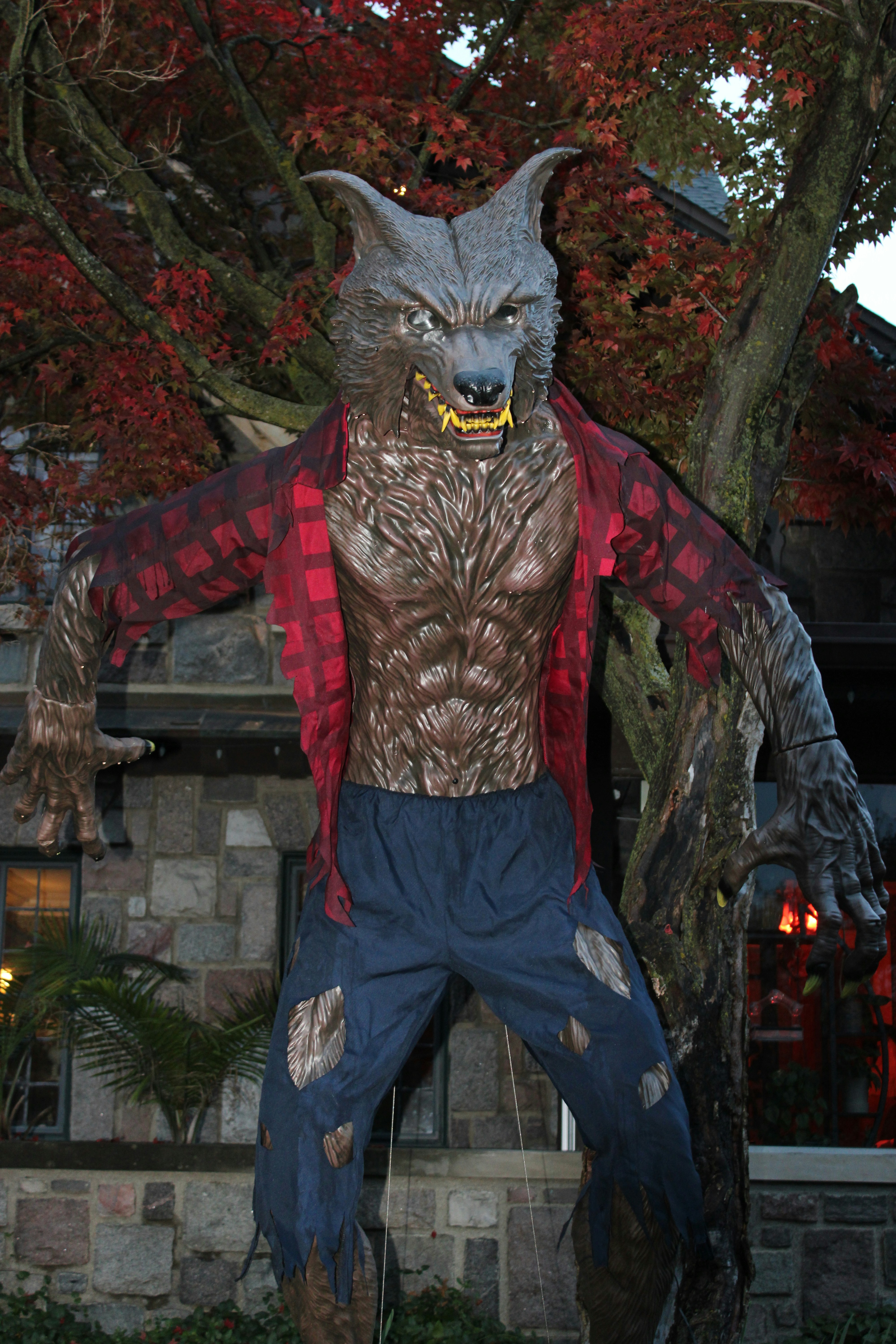
Introduction to Werewolf Cinema
The werewolf, a creature rooted in myth and legend, has captivated audiences for centuries. Its cinematic journey stems from folklore that dates back to ancient civilizations, where tales of men transforming into wolves served as cautionary reflections on nature and humanity’s darker instincts. As early as the 1930s, the werewolf motif began to gain popularity in film, with the emergence of classic horror movies that solidified its place within the broader horror genre. Notably, “Werewolf of London” (1935) introduced audiences to a blend of myth and psychological depth, establishing the groundwork for future adaptations.
The genre continued to evolve over the decades, with significant milestones marking its advancement. The 1941 film “The Wolf Man” is often credited with defining the modern werewolf archetype, featuring Lon Chaney, Jr. in a legendary role that contributed significantly to the creature’s cinematic persona. Unlike other horror figures, werewolves symbolize the struggle between civilization and primal urges, embodying the transformation that occurs when one’s humanity is stripped away. This theme resonates within the horror genre, allowing for deeper explorations of identity and morality.
<pas 1980s="" a="" addressing="" allowed="" american="" and="" appearing="" as="" blend="" changed="" cinema,="" cinematic="" comedy.="" complex="" concepts="" contexts="" conventional="" creature="" delve="" did="" diverse="" drama,="" essential="" even="" evolution="" existentialism="" expanding="" experiment="" fears="" figure="" filmmakers="" films="" films,="" films.="" genres="" guilt.="" horror="" humor="" in="" innovate,="" intersection="" into="" is="" it="" its="" landscape.
Classic Werewolf Films: The Early Years
The 1930s to the 1950s marked a significant period in the history of cinema, particularly for horror enthusiasts. During this era, filmmakers began to venture into the realm of the supernatural, and werewolf movies emerged as a unique subgenre. One of the most influential titles from this time is Universal Pictures’ 1941 classic, The Wolf Man, directed by George Waggner. This film established many of the foundational tropes associated with werewolves, including the tragic figure caught between humanity and savagery, which resonates throughout modern portrayals.
The Wolf Man features Lon Chaney Jr. as Larry Talbot, a man transformed into a werewolf after being bitten by one. The use of makeup and special effects was groundbreaking for its time, contributing to the overall atmosphere of terror. Chaney’s poignant performance, depicting the character’s internal struggle, set a precedent for future werewolf films, where the creature within often symbolizes deeper human conflicts.
Following this seminal work, the genre evolved with various notable films such as Werewolf of London (1935) and I Was a Teenage Werewolf (1957). These films further explored the themes of transformation and identity crises, capturing the fears and anxieties of their respective eras. For instance, I Was a Teenage Werewolf resonated with the youth culture of the 1950s and depicted the werewolf as a metaphor for adolescent rebellion and confusion.
The impact of these classic werewolf films cannot be understated, as they laid the groundwork for modern interpretations of werewolves in cinema. Their narratives, characterized by rich metaphorical layers, have influenced countless directors and writers, contributing to a lasting fascination with this mythical creature. As we delve deeper into the evolution of the werewolf in film, it is crucial to acknowledge these early works that defined the genre.
The 80s Resurgence: A New Wave of Horror
The 1980s marked a significant resurgence in the horror genre, characterized by a bold exploration of themes and narratives that engaged audiences in unique ways. This era was particularly notable for its innovative werewolf films, which transcended mere monster narratives to combine elements of fear, humor, and groundbreaking special effects. Two pivotal films during this time, *An American Werewolf in London* and *The Howling*, played crucial roles in redefining werewolf cinema.
*An American Werewolf in London*, directed by John Landis, introduced a fresh approach by infusing comedic elements within its horror storyline. The film follows two American backpackers whose adventure in the English countryside takes a dark turn after one is bitten by a werewolf. Notably, the film’s transformation scenes, crafted by makeup artist Rick Baker, set a new standard for practical effects and have remained iconic in horror film history. The blend of dark humor and genuine horror created a compelling narrative that resonated deeply with audiences, inviting both laughter and terror.
Conversely, *The Howling*, directed by Joe Dante, offered a different take on werewolf mythology, emphasizing the psychological journey of its protagonist as she navigates her transformation. The film’s incorporation of folklore and the primal aspects of humanity showcased the versatility of werewolf narratives. The special effects, particularly the transformation scenes, were pivotal in creating a visceral and immersive experience for viewers. Through these innovative approaches, the 1980s not only revitalized interest in werewolves but also allowed filmmakers to experiment with genre boundaries.
Overall, the 1980s were instrumental in establishing a new wave of horror that not only entertained but also challenged traditional storytelling tropes. This decade’s werewolf films combined a rich tapestry of humor and horror, appealing to a broad audience and setting the stage for future explorations in the genre.
Modern Werewolf Movies: A New Take
The 21st century has witnessed a significant evolution in the werewolf genre, as filmmakers have begun to experiment with traditional narratives and themes, incorporating contemporary societal issues. This new wave of werewolf films delves deeper into human psychology, identity, and transformation, setting them apart from the classic portrayals of lycanthropy. A prime example of this modern approach is found in the cult classic “Ginger Snaps.” This film, released in 2000, offers a unique perspective on the female experience of adolescence, using werewolf mythology as a metaphor for the chaotic transition into adulthood. The transformation of the central character, Ginger, serves not only as a physical metamorphosis but also reflects the complexities of identity and sexuality experienced during this tumultuous period.
Another notable entry in this genre is “Dog Soldiers” (2002), which presents a more action-oriented take on werewolves. Set in the Scottish Highlands, the film cleverly blends horror and dark humor, inviting its characters to confront both literal and metaphorical beasts. As a commentary on masculinity, the film examines themes of loyalty and self-sacrifice among a group of soldiers, all while navigating the treacherous landscape of their werewolf adversaries. The innovative storytelling in these modern werewolf films challenges traditional conventions, inviting audiences to explore the darker aspects of humanity.
This evolution of the werewolf genre reflects a broader trend within horror cinema, where filmmakers are increasingly using monsters as vessels for social commentary. By redefining the iconic figures of folklore, movies like “Ginger Snaps” and “Dog Soldiers” encourage viewers to reflect on personal and societal transformations. The werewolf, once a simple creature of the night, now embodies the complexities of human emotion and identity, capturing the imagination of modern audiences in new and compelling ways.
Noteworthy Foreign Werewolf Films
Werewolf films present a fascinating lens through which various cultures explore myths and folklore, often reflecting societal fears and aspirations. Beyond mainstream Hollywood offerings, international cinema has produced noteworthy entries that deserve attention for their unique interpretations of the werewolf myth. Among these films, *The Pack* stands out for its innovative approach to the genre. This French film follows a group of young adults who unwittingly step into a horrifying reality when they find themselves in a rural area rife with danger. It cleverly merges horror with social commentary, revealing how fear can manifest into monstrous forms when humans are pushed to their limits. The Pack challenges traditional horror conventions and introduces a fresh perspective on the werewolf narrative.
Another remarkable entry is *Late Phases*, a compelling hybrid of horror and drama directed by Adrian Garcia Bogliano. This film revolves around a blind war veteran who moves to a retirement community only to confront a series of mysterious murders, believed to be the work of a werewolf. *Late Phases* navigates themes of aging, loss, and resilience, thus transforming the usual werewolf tale into a profound exploration of human existence. Its character-driven approach allows audiences to engage deeply with the protagonist’s struggles, making it a poignant addition to the genre.
Furthermore, various cultures interpret the symbolism of werewolves in different ways. In many traditions, the transformation into a werewolf can signify a deeper connection with nature or the primal instincts within humanity. This duality fosters a rich terrain for filmmakers to explore the beast within and the confrontation between civilization and savagery. Overall, these foreign films highlight the versatility of the werewolf myth, inviting viewers to consider the complexities surrounding identity, fear, and the human experience.
Werewolf Movies in Popular Culture
Werewolf movies have significantly influenced popular culture since their emergence in early cinema. The portrayal of werewolves, often emphasizing the struggle between humanity and primal instincts, has transcended the screen and infiltrated various forms of media, including literature, television, and video games. These films have contributed to the enduring fascination with lycanthropy, enriching cultural narratives and beliefs about transformation and duality.
Classic films like “The Wolf Man” (1941) and “An American Werewolf in London” (1981) not only shaped the horror genre but also established archetypes that continue to resonate today. The themes explored in these werewolf movies—such as identity, fear of the unknown, and the battle between civilization and savagery—provide fertile ground for creators. Consequently, we see werewolf mythology employed in diverse genres, ranging from horror to comedy, illustrating the versatility and appeal of the werewolf as a narrative device.
Television shows frequently draw inspiration from werewolf lore, with series like “Teen Wolf” and “Bitten” showcasing the complexities of werewolf characters who navigate modern society while grappling with their animalistic traits. Additionally, werewolves appear as significant figures in young adult literature, such as in the “Mercy Thompson” series, where they are portrayed as integral members of supernatural communities. These adaptations highlight the cultural relevance of werewolves, demonstrating how their narratives resonate with contemporary audiences.
Moreover, video games have incorporated werewolf characters, allowing players to explore themes of transformation and duality interactively. Titles like “The Elder Scrolls V: Skyrim” encourage players to embrace the werewolf experience, connecting the mythos with modern technology and storytelling methods. This blend of mediums illustrates the enduring legacy of werewolf films in popular culture, showcasing their adaptability and continued relevance in narratives across various platforms.
The Role of Special Effects in Werewolf Transformation
The depiction of werewolf transformations has undergone significant evolution throughout cinema history, heavily influenced by advancements in special effects technology. In the early days of filmmaking, practical effects were the primary method employed to create the visceral and often terrifying transformations of humans into werewolves. Notable films such as “The Wolf Man” (1941) utilized techniques like makeup, prosthetics, and animatronics to achieve startling results. The meticulous application of wax and latex prosthetics allowed actors to convincingly portray the gradual metamorphosis, capturing the audience’s imagination with tactile realism.
As the genre progressed, the emergence of new technologies began to transform how werewolf transformations were portrayed on screen. In the 1980s, films like “An American Werewolf in London” revolutionized the industry with groundbreaking practical effects, particularly the use of animatronic creatures and intricate model designs. The film’s transformation scene, crafted by effects artist Rick Baker, represented a pivotal moment in cinema, earning the first Academy Award for Best Makeup. This marriage of artistry and technology captivated audiences, heightening the emotional impact of the narrative.
With the turn of the century, the introduction of computer-generated imagery (CGI) offered filmmakers limitless creative possibilities. Modern werewolf films leverage CGI to craft visually stunning transformations that were previously unattainable. Examples such as “The Twilight Saga: New Moon” showcase seamless integration of digital effects, creating fluid, dynamic transformations that both amazement and enchant viewers. However, despite CGI’s advantages, some filmmakers continue to favor practical effects for their authenticity and tangible presence, believing they evoke a stronger connection with the audience.
The ongoing dialogue between practical effects and CGI forms an essential aspect of the werewolf genre, impacting both its aesthetic and the audience experience. As technology evolves, the depiction of werewolf transformations will undoubtedly continue to innovate, ensuring that this iconic creature remains a haunting presence in the annals of cinema.
Fan Favorites: Top 10 Must-Watch Werewolf Movies
Werewolf movies have long captured the imagination of audiences, providing a thrilling exploration of transformation, survival, and the primal instincts within. Below is a curated list of ten must-watch werewolf films, each showcasing unique elements that elevate them within the genre.
1. An American Werewolf in London (1981) – Blending horror and dark comedy, this film follows two American backpackers who encounter a werewolf while traveling in England. The groundbreaking transformation scenes and witty script set a benchmark for werewolf cinema.
2. The Howling (1981) – This film is a seminal work in the werewolf genre, introducing viewers to a secluded commune where werewolves reside. Its atmospheric buildup and striking special effects have earned it a dedicated fan base.
3. Dog Soldiers (2002) – Set in the Scottish Highlands, a group of soldiers faces a pack of werewolves during a training mission. The film’s blend of action and terror, alongside its camaraderie themes, has garnered it critical acclaim.
4. Ginger Snaps (2000) – Focusing on the trials of teenage life, this feminist horror film intertwines lycanthropy with puberty. The character-driven narrative and metaphorical depth resonate with many viewers.
5. The Wolf Man (1941) – A classic that defines the werewolf archetype, this movie explores themes of identity and destiny. Lon Chaney Jr.’s portrayal has left a lasting impact on the portrayal of werewolves in cinema.
6. Silver Bullet (1985) – Based on Stephen King’s novella, this film follows a boy and his sister as they try to uncover the identity of a werewolf terrorizing their town. The story emphasizes family bonds and resilience.
7. Late Phases (2014) – A unique take that features a blind Vietnam veteran confronting a werewolf in his retirement community. This film distinguishes itself with its focus on memory and the struggles of aging.
8. WolfCop (2014) – A darkly humorous film about a cop who transforms into a werewolf. Its blend of absurdity and gritty crime drama offers a refreshing addition to the genre.
9. Howl (2015) – Set on a train traveling through the English countryside, a group of passengers must fight for survival against a werewolf attack. The confined setting amplifies the tension and horror, making for an engaging experience.
10. Teen Wolf (1985) – Although predominantly a comedy, this film introduced a lighthearted approach to the werewolf mythos. Its cult status among fans of all ages has ensured its place in pop culture.
These ten films showcase the diverse ways in which werewolf stories are told. Each entry features captivating narratives and artistic choices that make them worthy of exploration by fans of both horror and the supernatural.
Conclusion: The Enduring Legacy of Werewolves in Film
The legacy of werewolf cinema is one that resonates deeply within the cultural landscape of film and storytelling. From early portrayals in black-and-white classics to modern interpretations with intricate narratives and special effects, the werewolf genre has evolved significantly over the decades. This transformation not only reflects advancements in filmmaking but also highlights societal fears and fascinations that have persisted throughout human history.
Werewolf films serve as a compelling metaphor for the internal struggles faced by individuals, embodying themes of duality, transformation, and the battle between civilized behavior and primal instincts. Their narratives often challenge viewers to confront their own fears and desires, making the werewolf a potent symbol of the human condition. This thematic richness explains why such films have remained relevant, continually captivating audiences across generations.
<pmoreover, a="" adaptability="" alive.<pas about="" all="" also="" and="" are="" as="" becomes="" both="" but="" cinematic="" emerge.="" enduring="" engage="" ever-evolving="" evident="" experience="" film="" films="" for="" fresh="" future,="" history,="" human="" in="" inviting="" it="" itself.="" legacy="" look="" merely="" monstrous="" movies="" must-watch="" narratives="" new="" not="" of="" on="" p="" paving="" perspectives="" place="" potential="" present.